
Last updated November 23, 2026
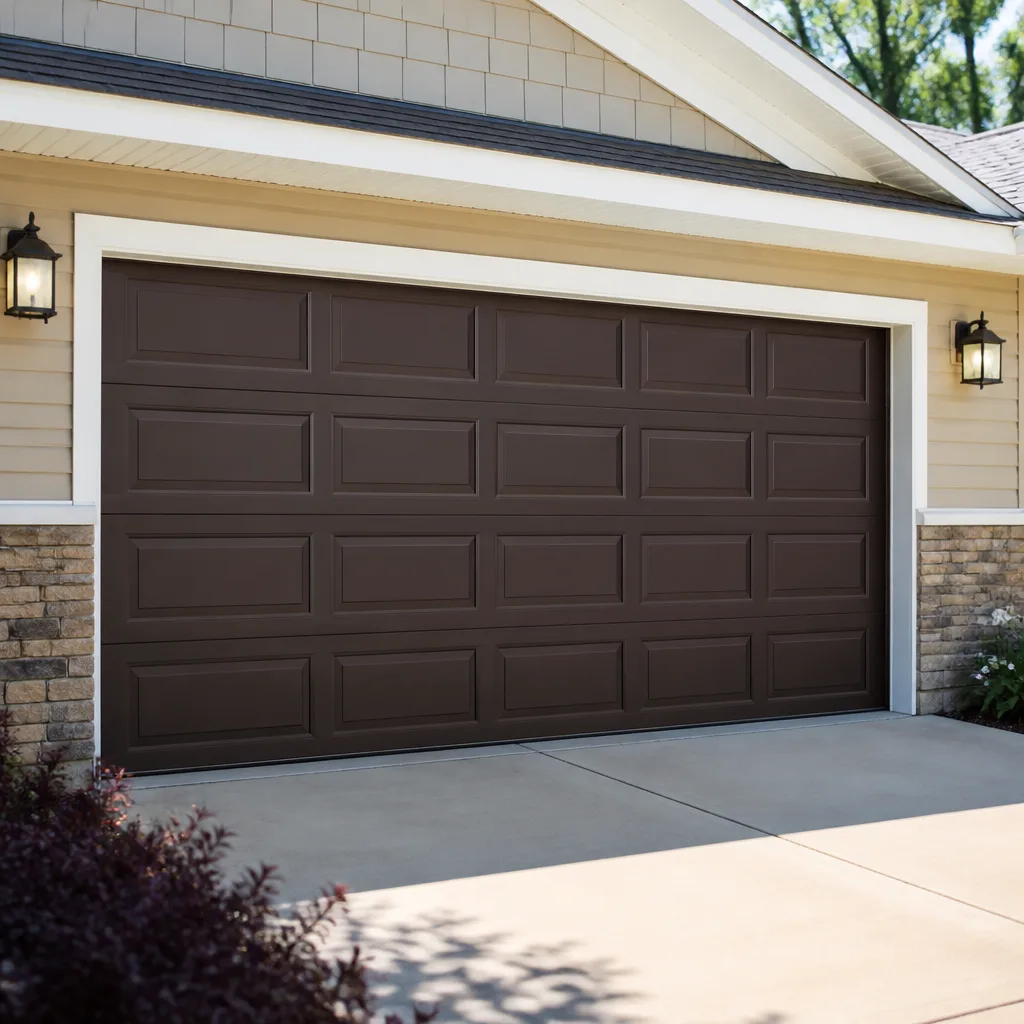 Raised-panel steel
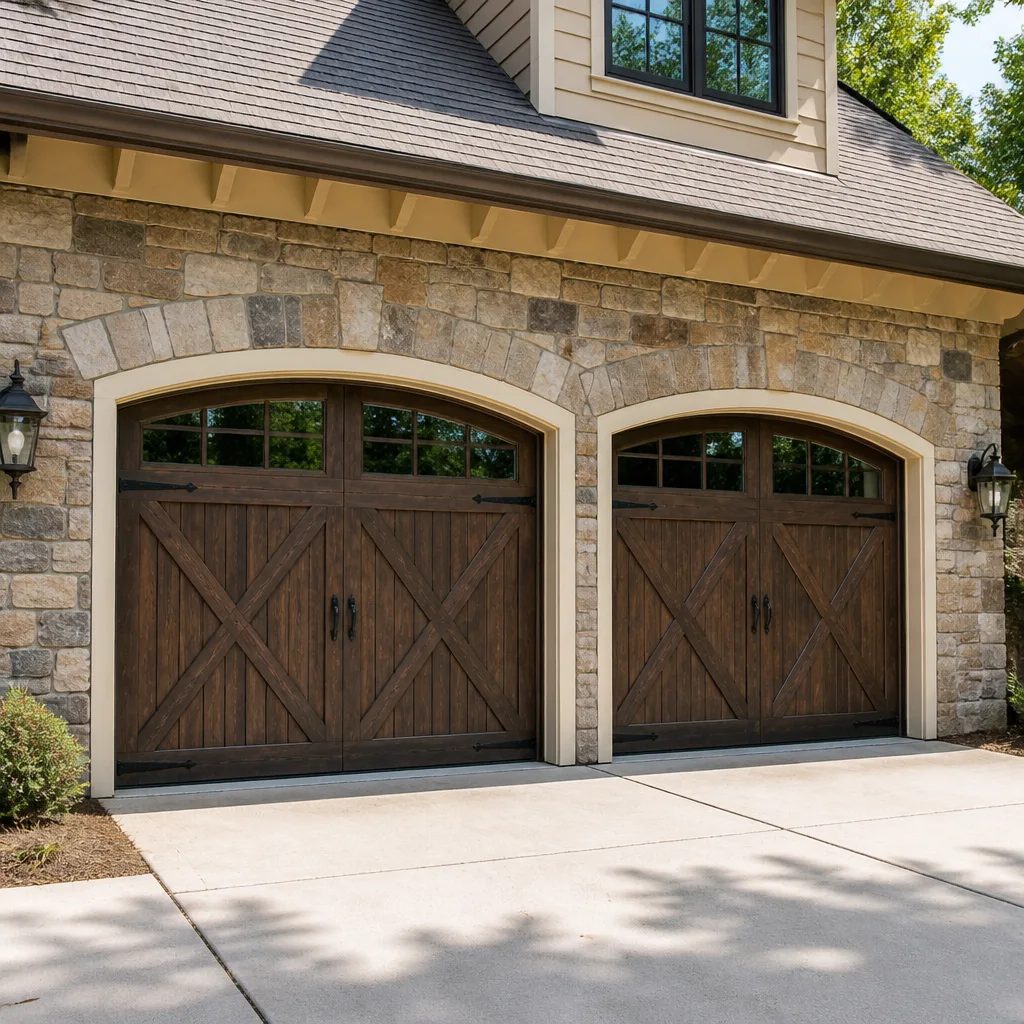 Carriage house
 Modern flush
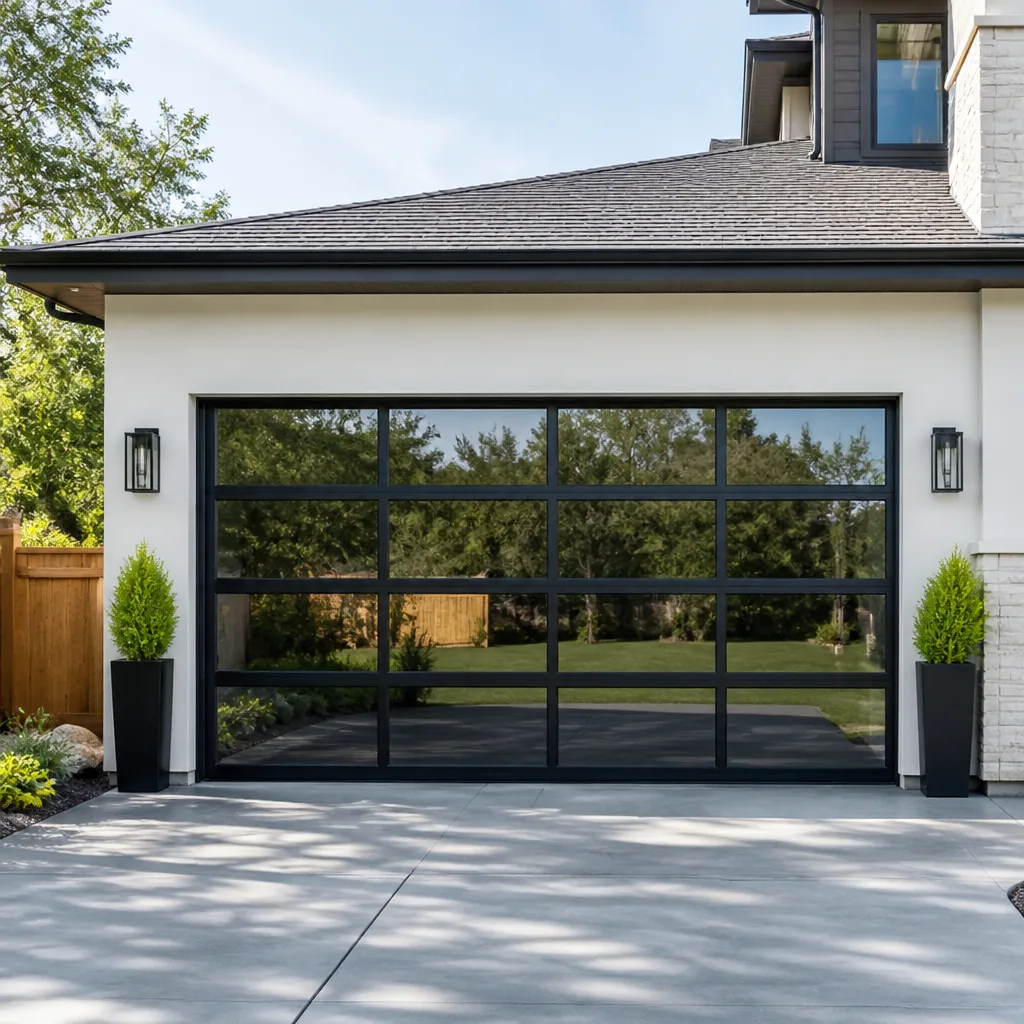 Full-view glass
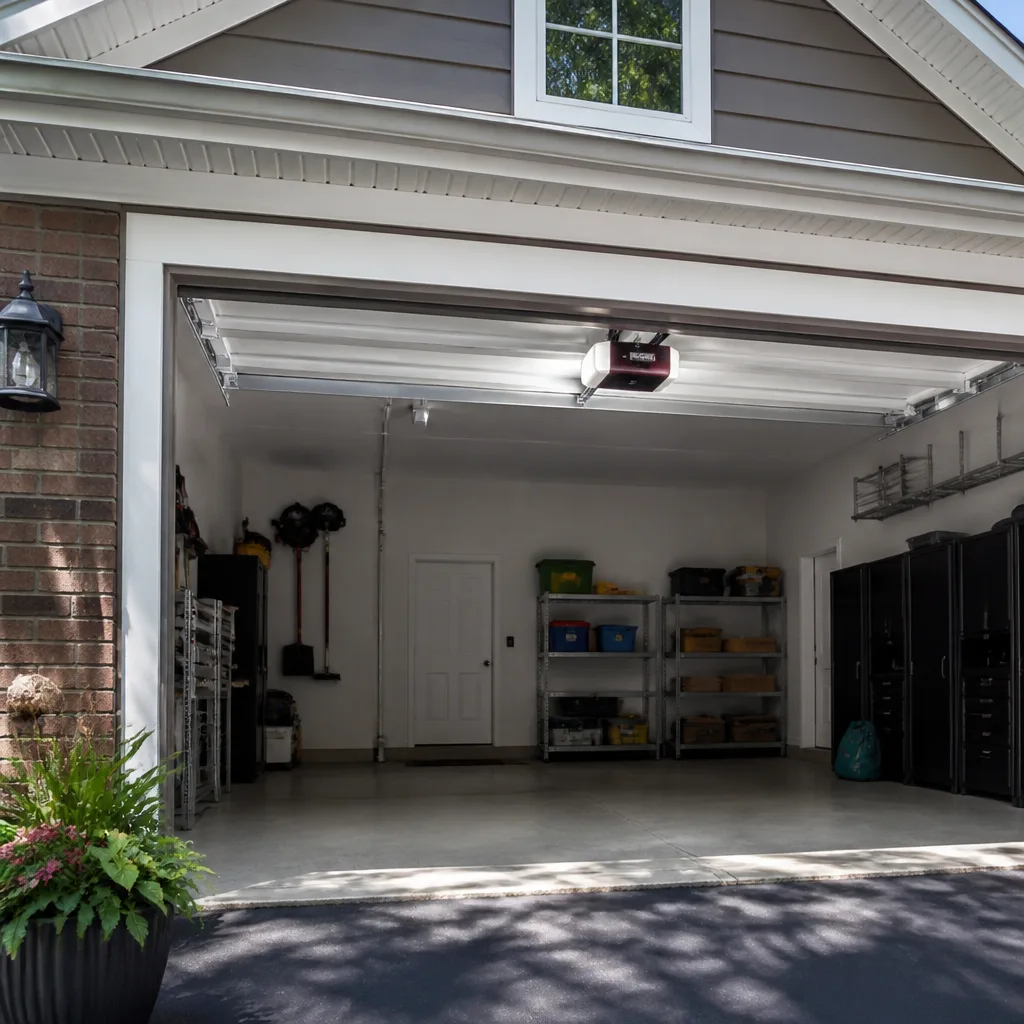 LiftMaster openers
 Chamberlain openers
Full 25-point door and opener safety check with every visit - springs, cables, rollers, tracks, and your LiftMaster or Chamberlain opener included
You get a price before we start. It does not change when the pro arrives.
Get your free estimateGarage Door Repair Maintenance Schedule: What to Do and When
Most garage door “maintenance guides” get the track advice exactly backwards. They tell you to spray the tracks, and then summer arrives on Long Island, the humidity climbs, dust sticks to the spray, and the door starts grinding and jumping. Over-lubricating the tracks is one of the most common reasons doors come off-track in warm weather, and it’s a maintenance step you should skip entirely. What actually protects a door is smaller and smarter: the right three tasks, done in the right seasons, with a log to prove it. This guide lays out a calendar you’ll actually follow in West Babylon, from the April humidity check to the October freeze prep.
Quick Answer
A workable garage door maintenance schedule is quarterly, not monthly: run the 10-second balance test and eyeball the hardware every three months, do a full lube-and-tighten pass each spring before humidity sets in, and run a winter-readiness inspection each October before the first freeze. Lubricate the springs, hinges, rollers and the opener’s rail – never the tracks – and log every task so you have records for warranty claims or a future home sale. Anything involving springs, cables or the torsion assembly is a professional job.
Styles & brands we work with
- Raised-panel steel
- Carriage house
- Modern flush
- Full-view glass
- LiftMaster openers
- Chamberlain openers
Table of Contents
- The West Babylon Garage Door Maintenance Calendar
- The 10-Second Balance Test That Predicts Spring Failure
- Which Lubricants to Use Where (and What to Never Spray)
- Reading the Warning Signs of Spring Failure
- Opener Maintenance Most Homeowners Skip
- Maintenance That Protects (or Voids) Your Warranty
- How to Log Maintenance for Warranty and Resale
- Seasonal Trouble Spots in West Babylon
The West Babylon Garage Door Maintenance Calendar
A garage door doesn’t need the same attention twelve months a year. It needs more in April, when Long Island’s humidity starts climbing, and again in October, when the first freeze is closing in. Build the year around those two pivot points and the rest takes care of itself.
Spring (April)
- Wipe down and re-lubricate the torsion springs, hinges and roller bearings with a garage-door-specific lubricant.
- Tighten the hinge and bracket bolts you can safely reach with a socket wrench.
- Test the safety reverse: place a roll of paper towels under the door and confirm it reverses on contact.
- Run the balance test (details below) and write down the result.
Summer (July)
- Look at the tracks – don’t spray them. Check for dents, misalignment or debris and wipe clean with a dry or slightly damp cloth.
- Listen for new noises: grinding, squealing or a door that shudders on the way up.
- Check the opener’s light and safety sensors for dust or cobwebs.
Fall (October)
- Full hardware inspection before the freeze: springs, cables, drums, bottom brackets and rollers.
- Lubricate again – cold weather stiffens grease, so a fresh coat on the moving parts helps.
- Test the balance test a second time and compare it with April’s result.
- Check the weather seal along the bottom for cracking or gaps.
Winter (January)
- Clear snow and ice from the door’s path, never force a frozen door.
- Watch for a door that lifts unevenly or hesitates – cold can stiffen a failing spring.
That’s four seasonal touchpoints, not fifty-two weekends. Just as important: this schedule assumes the door is already in working order. If something is broken now, a Garage Door Repair West Babylon visit will get it sorted before you start maintaining it.
The 10-Second Balance Test That Predicts Spring Failure
The balance test tells you whether your springs are still carrying the door’s weight. It’s the single most useful thing a homeowner can do, because springs rarely fail without warning – they lose tension gradually, and the test catches that decline months before the door stops working.
How to Run It
- Close the door and disconnect the opener using the manual release cord (the red handle).
- Lift the door by hand to about waist height – roughly halfway open.
- Let go. Do not stand under the door.
- Watch what happens. A healthy door holds its position. A door that drops or rises on its own has a spring or balance problem.
- Repeat at a few heights to confirm.
What the Results Mean
- Holds still: springs are balanced and healthy.
- Sags or falls: springs are losing tension, or the door is out of balance. Worth a professional look.
- Rises on its own: springs are over-tensioned, which stresses the whole system.
Run this quarterly and write the date and result in your log. If April’s test showed a door that held firm and October’s shows it sinking slowly, you’ve caught a failing spring before it snapped – and before the door became unusable. One note on safety: the test is safe, but adjusting the springs afterward is not something to attempt. Torsion springs are under enormous tension and can cause serious injury if handled without the right tools and training. That’s a job for a trained professional, which is why spring work is a specialty of ours rather than something we hand to a generalist.
Which Lubricants to Use Where (and What to Never Spray)
Here’s the counterintuitive part that most guides skip: the wrong lubricant is worse than no lubricant. Cooking spray, WD-40 as a long-term solution, and generic household oils attract dust and gum up over time. On a garage door, that means rollers that stick, hinges that bind, and a door that works harder than it should.
Use These, Here
- White lithium grease or a garage-door-specific spray lubricant: torsion springs, hinges, roller bearings and the opener’s rail. Apply sparingly – a thin film, not a coating.
- Silicone spray: the roller stems and any sliding parts where you don’t want a sticky residue. Also useful on the bottom weather seal to keep it from drying out.
- Nothing at all: the vertical and horizontal tracks. They should be clean and dry. If they’re noisy, the problem is usually a worn roller or a misaligned track, not a lack of grease.
Skip These Entirely
- Cooking spray or vegetable oil: goes rancid, attracts insects, and turns sticky in summer heat.
- WD-40 as a lubricant: it’s a water displacer, not a lasting lubricant. It’ll quiet a squeak for a day or two and then leave you back where you started.
- Grease on the tracks: this is the big one. Greased tracks collect grit, the rollers skid instead of rolling, and the door jumps – which is exactly the summer failure pattern we see most often in West Babylon.
One can of the right lubricant and a rag will handle a full year of maintenance. Over-application is the most common mistake we’re asked to fix, and it costs more to undo than the correct routine costs to keep up.
Reading the Warning Signs of Spring Failure
Springs are the most stressed part of any garage door system – and the most dangerous to work on yourself. A torsion spring holds the entire weight of the door, and when it fails, it fails suddenly. The good news is that most failures announce themselves first.
Signs That Point to a Failing Spring
- A door that feels unusually heavy when you lift it by hand.
- A balance test that shows the door dropping or rising on its own.
- A loud bang from the garage, often followed by a door that won’t open.
- A visible gap in the spring coil when you look at the torsion bar.
- The opener straining, or the door reversing partway up.
Why This Matters More Than Other Repairs
A worn roller is an annoyance. A failing spring is a safety issue. When a spring lets go, the door can come down hard, and the cables and drums take the strain. That’s why we treat garage door spring repair as its own discipline: it takes specific tools, specific training and a healthy respect for the tension involved. Do not try to adjust, wind or replace a spring yourself. If your balance test points to a spring problem, stop using the door and get it looked at by a professional.
What Repair Actually Involves
A spring repair typically means identifying which spring has failed, checking the cables and drums for strain, replacing the spring (usually as a matched pair, since a pair that has run together is best replaced together), and re-tensioning the system. It’s a job that gets done in a single visit when we’re handling it – but it isn’t a job for a weekend DIY attempt, no matter what a video tells you.
Opener Maintenance Most Homeowners Skip
The door gets all the attention, but the opener is doing the lifting commands all day long. A little care here prevents the frustrating “the door works fine but the remote doesn’t” scenario.
What to Check
- The safety sensors: the two small eyes at the bottom of the tracks. Wipe them clean, confirm they’re aligned, and check that the indicator light is steady. A misaligned sensor is one of the most common reasons a door won’t close.
- The rail and chain or belt: check tension and lubricate the rail per the opener’s manual. A chain that’s too loose slaps and strains the motor.
- The force and travel limits: if the door doesn’t fully close or reverses for no reason, the limits may need adjusting. This is best done carefully – the door’s safety reverse must still work after any adjustment.
- The battery in the remote and keypad: replace it once a year on the same date. It’s a five-minute job that saves a lot of head-scratching.
When to Call for Opener Repair
If the opener hums but the door doesn’t move, runs but the door reverses, or the lights flash a fault code, that’s a repair rather than routine maintenance. We cover garage door opener repair across the major brands – LiftMaster, Chamberlain, Genie and Craftsman among them – so you don’t need to hunt for a brand-specific vendor. And if the opener is simply old and tired, replacing it is an option, but it’s one we’ll discuss with you rather than push.
Maintenance That Protects (or Voids) Your Warranty
Warranty terms vary by brand, but the principle is consistent: manufacturers expect certain maintenance, and certain mistakes can void coverage. This is where a written record pays off. If a spring fails inside its warranty window and you can show the door was properly maintained, you’re in a much stronger position than if you can’t.
Tasks That Can Affect a Warranty
- Improper lubrication: grease on tracks, or the wrong product on springs, can be flagged as misuse. Stick to the manufacturer’s recommended lubricant.
- DIY spring work: most manufacturers exclude damage from unauthorized adjustment or replacement of springs and cables. This is also the most dangerous DIY task on the door.
- Missing or altered hardware: removing safety cables or bottom brackets to “fix” a noise can void coverage and create a real hazard.
- Neglected safety reverse: a door whose safety reverse has been disabled or never tested is a liability, and some warranties exclude damage that follows.
Brand-Specific Intervals
Brands like Amarr and Wayne Dalton publish maintenance expectations in their warranty documentation, and Craftsman and LiftMaster openers often include service intervals in the manual. Check your own paperwork – the manual that came with your door or opener is the authority for your specific model. What we can tell you is that the annual spring-and-hardware pass most manufacturers expect lines up closely with the calendar in this guide. When in doubt, a maintenance visit from a technician who has seen your brand before is the simplest way to stay on the right side of the terms.
How to Log Maintenance for Warranty and Resale
A maintenance log takes ten minutes a year to keep and can save you arguments later. It’s also a genuinely useful document when you sell a home – buyers and inspectors like seeing a service history.
What to Record
- The date and what you did (lubricated springs, tested balance, replaced remote battery, etc.).
- The result of each balance test, with a note on whether the door held, sank or rose.
- Any professional service visits: what was repaired, by whom, and the date.
- Any parts replaced, with the part name if you have it.
- Photos of the springs and hardware each year – a visual record catches gradual wear.
Where to Keep It
A simple notebook in the garage works. A folder in your phone’s notes app works too, and it’s easier to search. Attach the receipt or invoice for any professional work to the same record. When it’s time for a warranty claim, you’ll have a clean history to hand over; when it’s time to sell, you can show a buyer that the door has been looked after.
Seasonal Trouble Spots in West Babylon
West Babylon sits in a part of Long Island where the seasons swing hard. Summers bring humidity that makes dust stick to anything greasy, and winters bring freezes that stiffen lubricants and shrink weather seals. The maintenance calendar here is built around those swings.
Spring Humidity
Once the humidity climbs, any excess grease on the tracks turns into a grit magnet. That’s why the April pass focuses on cleaning as much as lubricating – the goal is a thin, correct film on the moving parts and dry tracks. It’s also when we see the most off-track doors, because a door that has been over-lubricated all winter starts to skid once the air gets thick.
Fall Freeze Prep
The October pass is about catching worn parts before the cold makes them worse. A hinge that’s a little loose in September can bind in January. A weather seal that’s starting to crack in autumn will let cold air and moisture in all winter. Fresh lubricant on the moving parts also helps, because the grease you applied in spring has had six months to dry out.
Storm and Impact Damage
Hail is uncommon here, so the storm risk is more about wind-blown debris and the occasional fallen branch than about impact from above. After a serious storm, check the door and tracks for dents, misalignment and debris, and don’t force a door that’s been damaged – that’s when a small problem becomes a big one.
When the Door Won’t Move
If a door is stuck, off-track or won’t close at all, a maintenance schedule isn’t the answer – a repair is. That’s the situation our garage door repair team handles, including emergency calls for doors that can’t wait. When the door won’t move, we move fast.
Common Mistakes to Avoid
- Greasing the tracks. This is the most common mistake we’re asked to correct, and it’s the one most guides still recommend. Tracks should be clean and dry; grease collects grit and sends the door off-track.
- Skipping the balance test. It takes ten seconds and is the best early warning you’ll get about a failing spring. Skipping it because the door “seems fine” is how homeowners end up surprised by a snap.
- Using WD-40 or cooking spray as a lubricant. Both will quiet a squeak briefly and then leave you worse off. Use a garage-door-specific lubricant, applied sparingly.
- Tightening every bolt you can find. Over-tightening hinge and bracket bolts can strip threads or distort the hardware. Snug, not cranked.
- Trying to adjust or replace a spring yourself. Torsion springs are under extreme tension and can cause serious injury. Leave spring work to a trained professional.
- Ignoring the opener’s safety sensors. A dusty or misaligned sensor is the most common reason a door won’t close, and it’s a two-minute fix once you know to check.
- Keeping no records. Without a log, a warranty claim becomes a back-and-forth. A few notes each year make the difference.
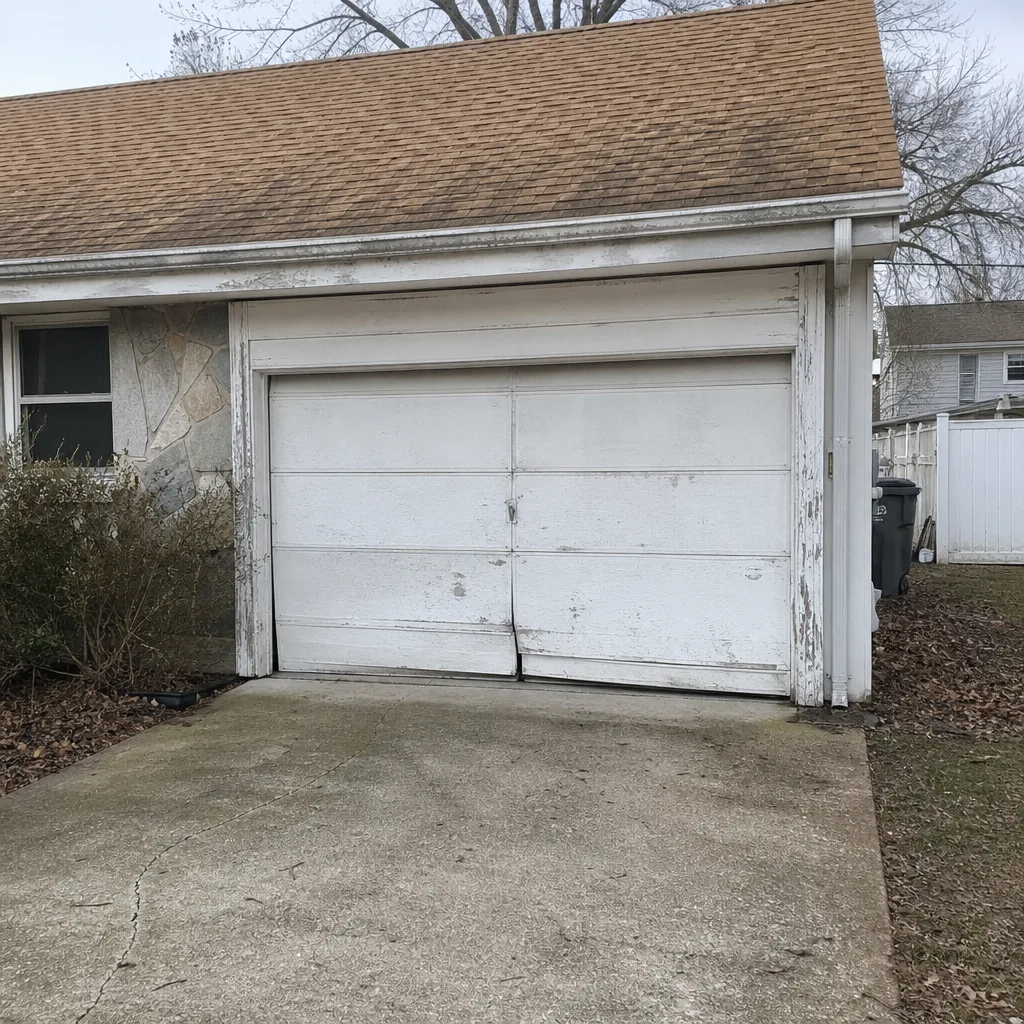
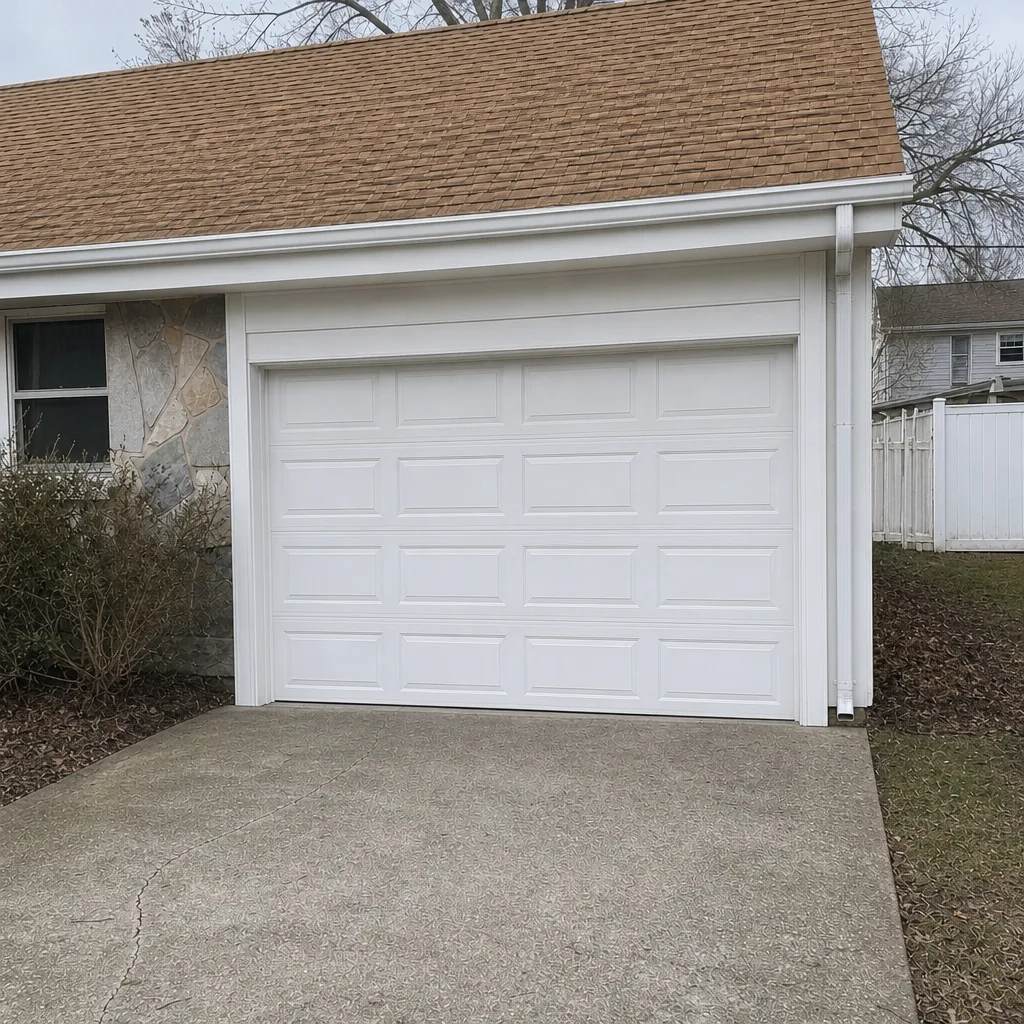
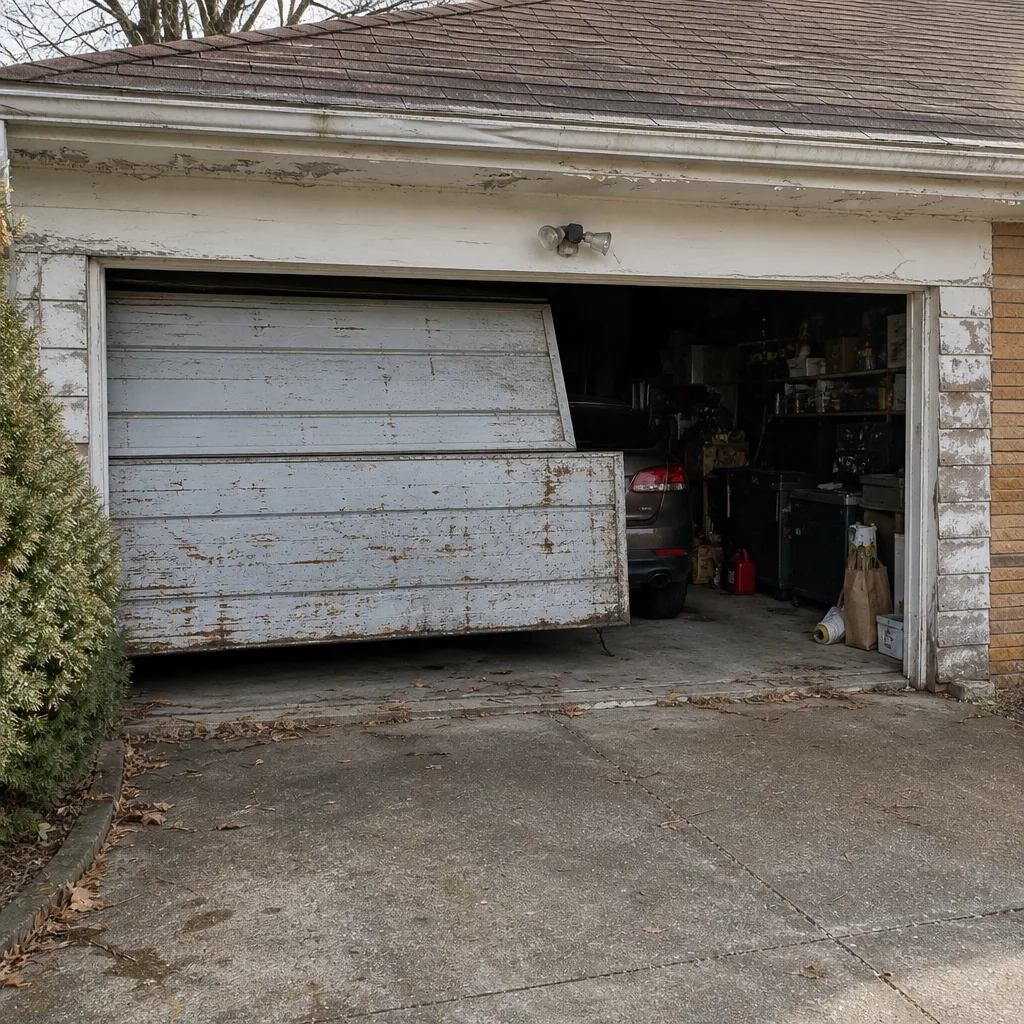
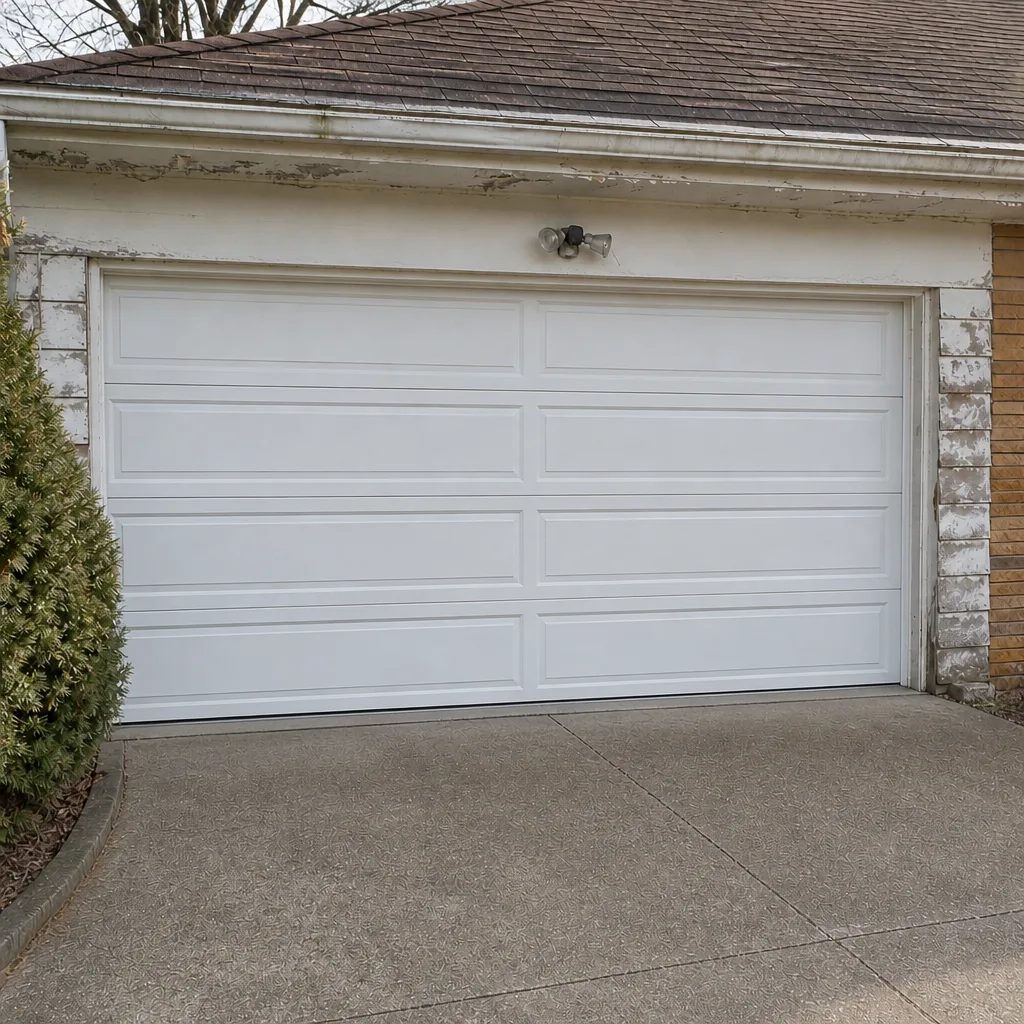
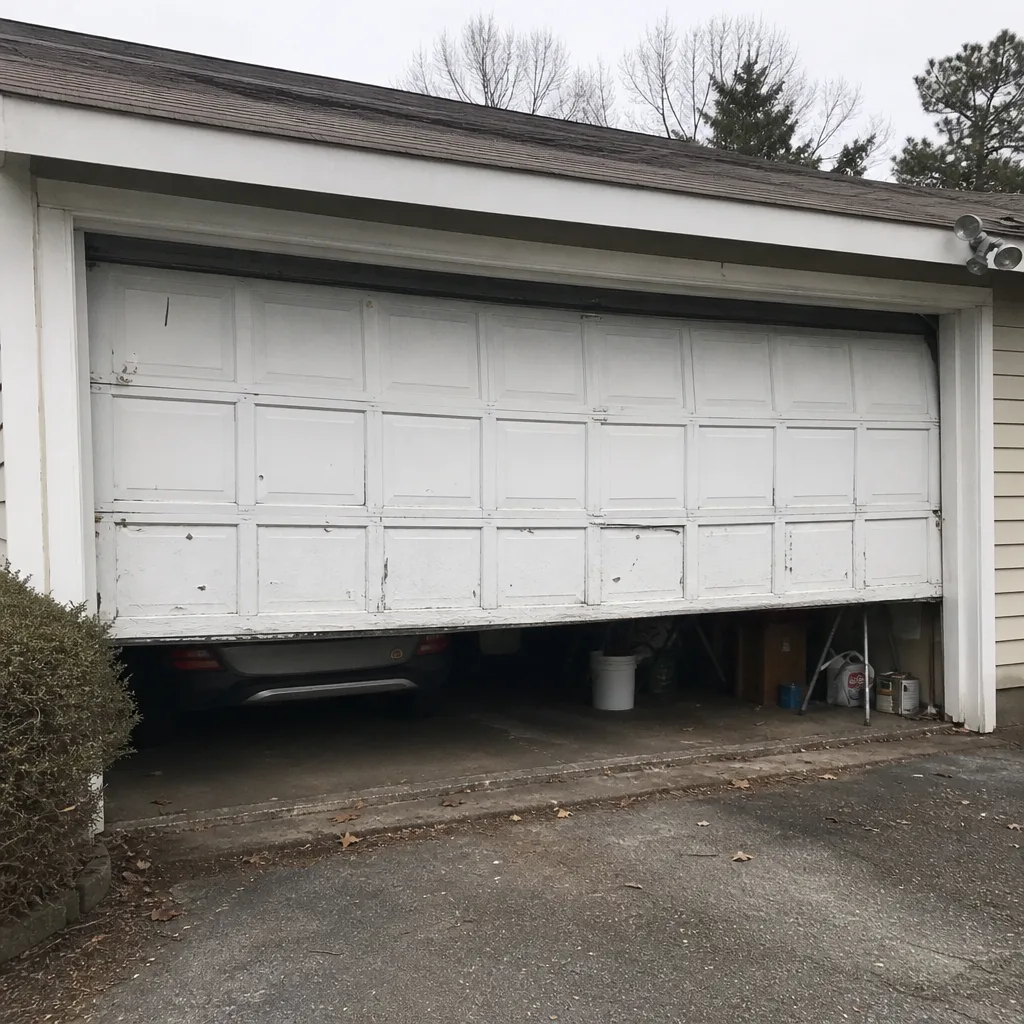
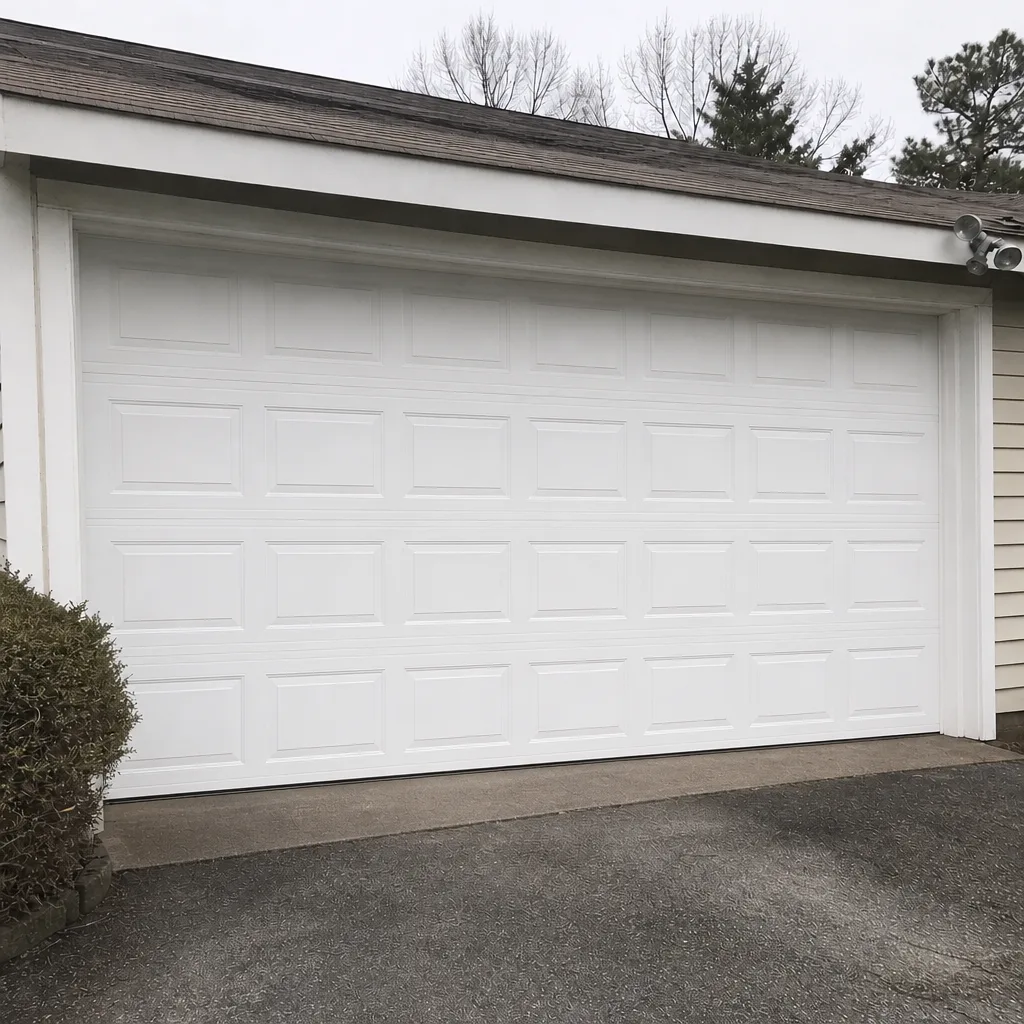
See the difference
 Before
 After
 Before
 After
 Before
 After
When to Call a Professional
Some maintenance is yours to do. Some isn’t. Call a professional if the balance test shows the door sinking or rising on its own, if you hear a loud bang from the garage, if the door is off its tracks, if the opener hums without moving the door, or if any part of the spring or cable assembly looks worn, kinked or broken. Don’t force a door that won’t move – that’s how a repairable problem becomes a bigger one. Springs, cables and the torsion assembly in particular are not DIY territory; they’re under enormous tension and belong in trained hands. Garage Door Repair West Babylon offers free estimates in West Babylon – call (855) 550-7512. We answer 24/7. Fast dispatch from 7am to 7pm, Sunday through Friday. Our technicians have up to 13 years of experience, and they’ve worked on whatever brand is on your door.
Frequently Asked Questions
Once a year is the baseline, plus a quarterly balance test and visual check. A full professional service each year, ideally in spring before humidity sets in, covers the lubrication, tightening and inspection that keep the door running smoothly. Homeowners who do the quarterly checks themselves often only need the annual professional visit.
Yes, for the safe parts. Springs, hinges, roller bearings and the opener rail can be lubricated with a garage-door-specific product, applied sparingly. The tracks should be left dry. Anything involving the springs, cables or torsion assembly is a professional job – those are under extreme tension and can cause serious injury if handled incorrectly.
It tells you whether your springs are still carrying the door’s weight. Disconnect the opener, lift the door halfway by hand and let go. If it holds, the springs are balanced; if it sinks, the springs are losing tension; if it rises, they’re over-tensioned. Run it quarterly and log the result – it’s the best early warning you’ll get before a spring fails.
We work on products from LiftMaster, Chamberlain, Genie, Clopay, Amarr, Wayne Dalton, Craftsman and Raynor. That covers most of the systems installed in West Babylon homes, so you don’t need to track down a brand-specific vendor. If you’re not sure what’s on your door, we can identify it when we’re there.
It can. Most manufacturers expect certain maintenance and exclude damage from unauthorized spring work, greased tracks or missing safety hardware. The exact terms depend on your brand and model, so check the manual that came with your door or opener. Keeping a written log of your maintenance helps you prove the door was cared for if a claim ever comes up.
That’s what emergency service is for. A stuck, off-track or broken door is a repair, not a maintenance item. Call (855) 550-7512 and we’ll book a visit. We answer 24/7. Fast dispatch from 7am to 7pm, Sunday through Friday. If you call outside dispatch hours, we’ll book you into the next opening.
The Bottom Line
A garage door maintenance schedule that works is smaller than most guides suggest. Do the quarterly balance test and a quick visual check. Give the springs, hinges and rollers a sparing coat of the right lubricant each April and again in October. Leave the tracks dry. Check the opener’s safety sensors and battery once a year. Log what you did. That’s it – and it’s enough to catch the failures that actually cost money, months before they happen. For anything involving springs, cables or a door that won’t move, call a professional. In West Babylon, call (855) 550-7512 for a free estimate – we’ll tell you what’s actually needed and quote it before any work starts.
Written by the team at Garage Door Repair West Babylon.