
Last updated November 23, 2026
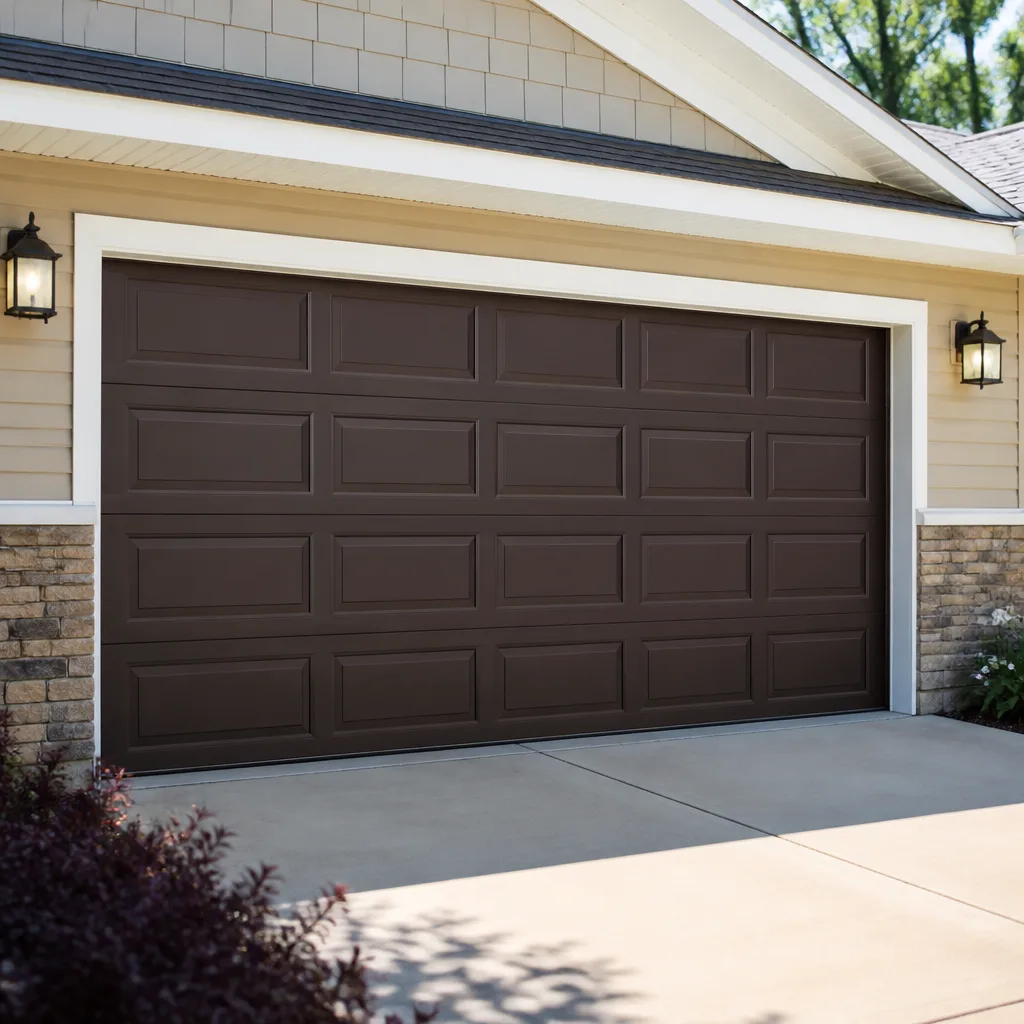 Raised-panel steel
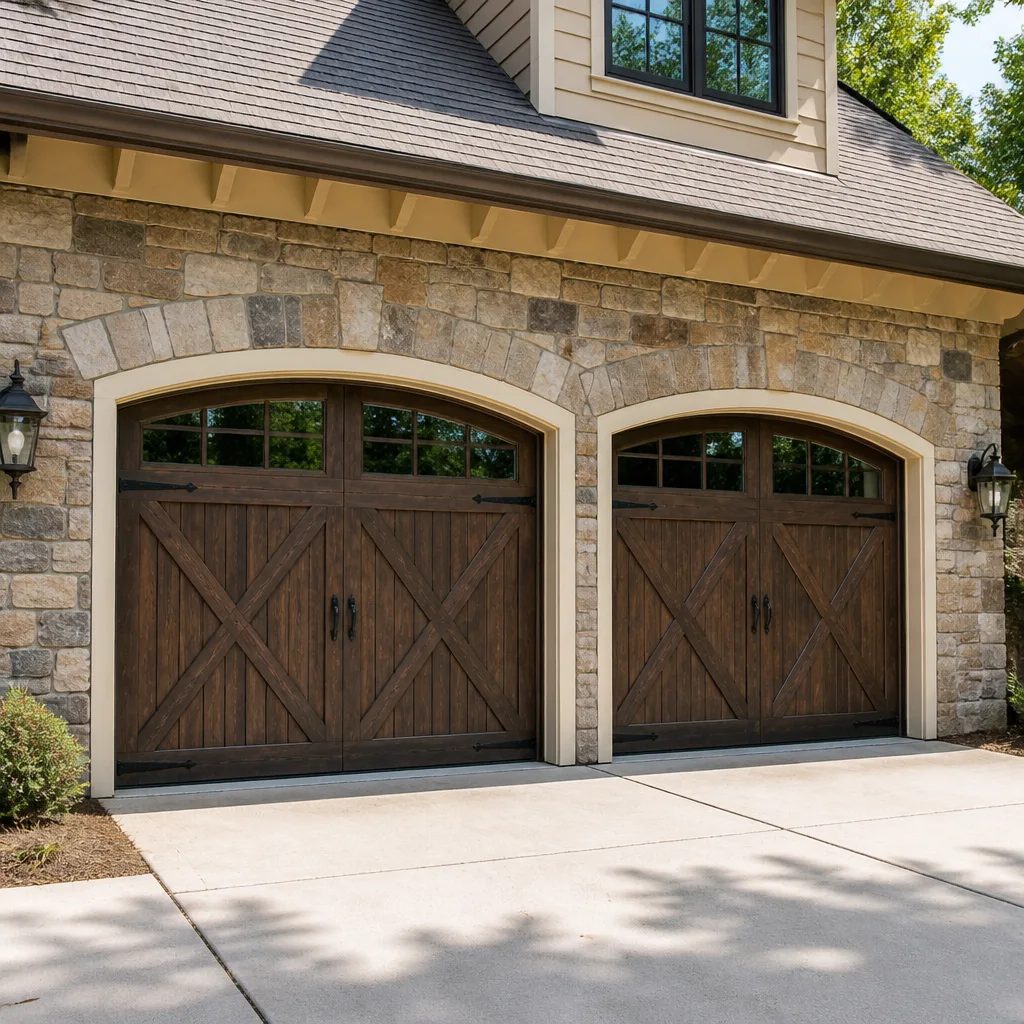 Carriage house
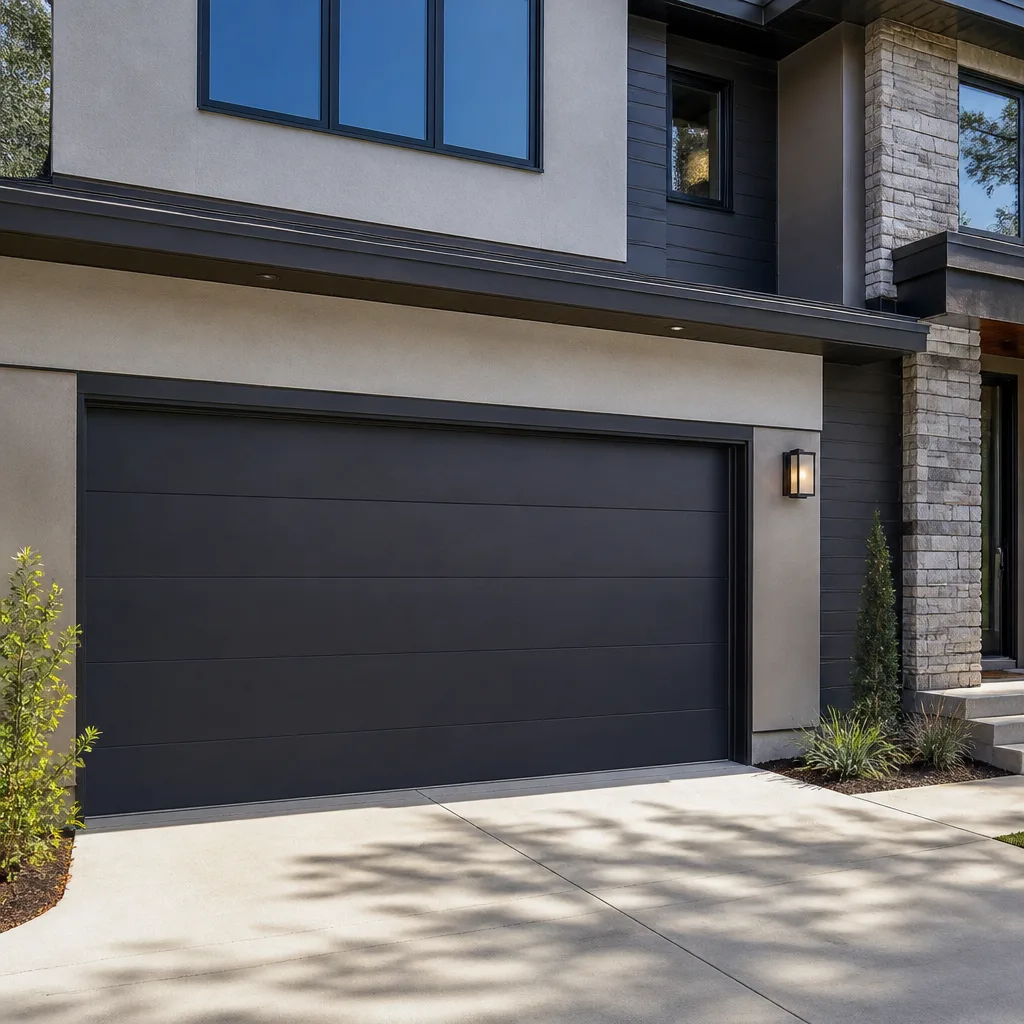 Modern flush
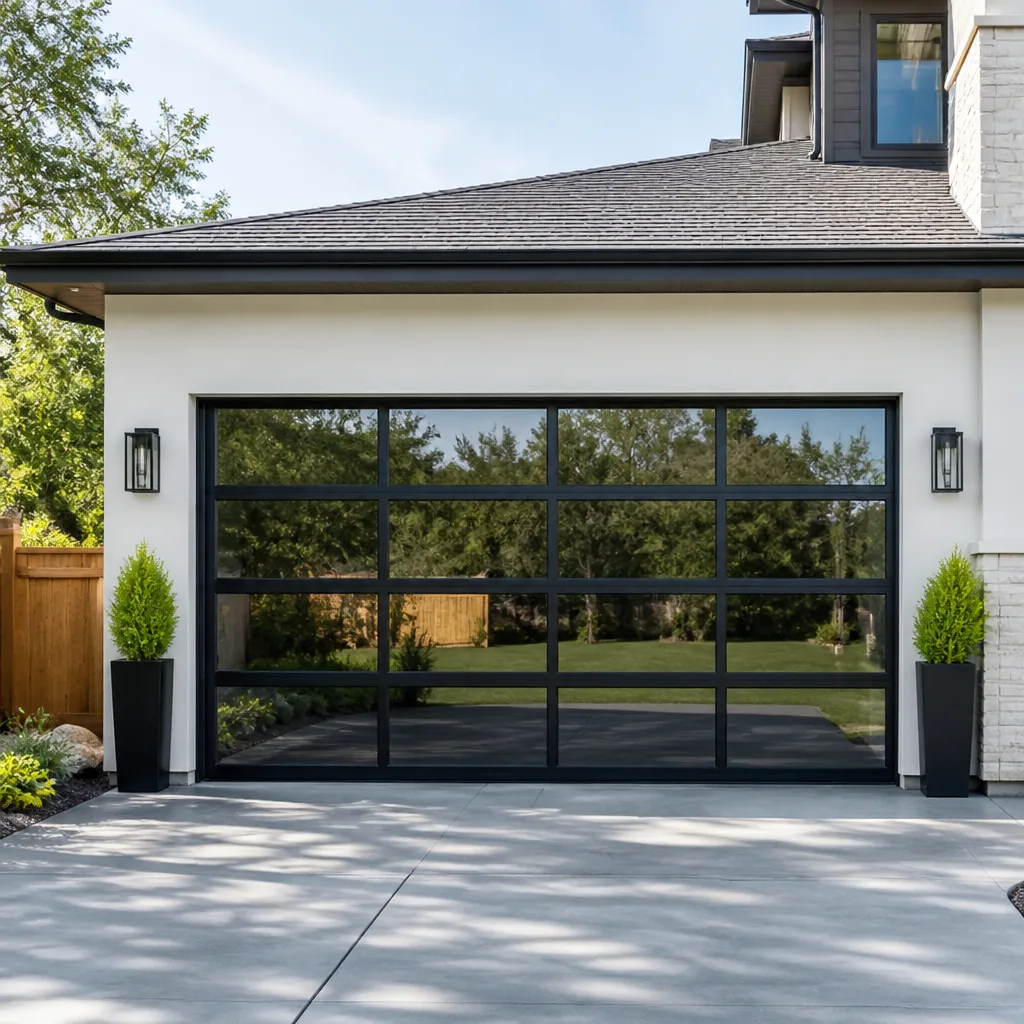 Full-view glass
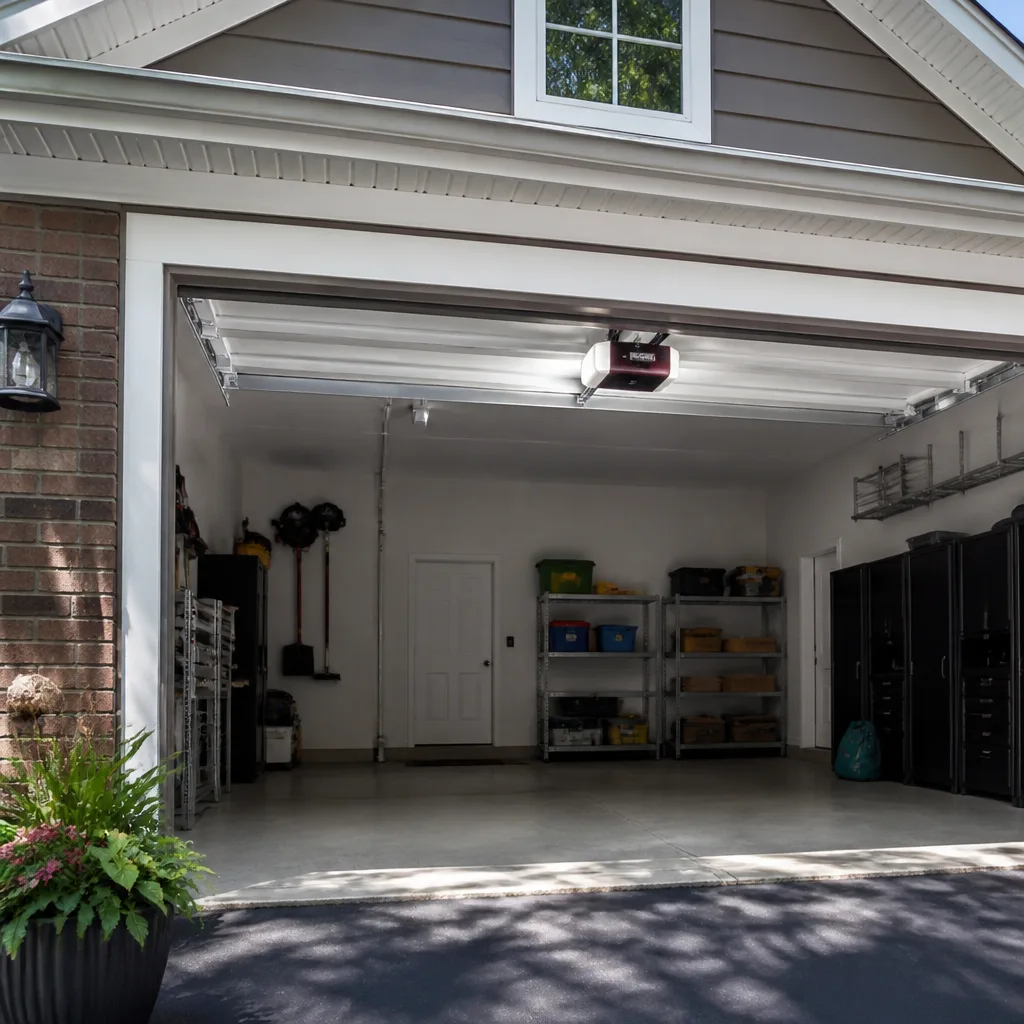 LiftMaster openers
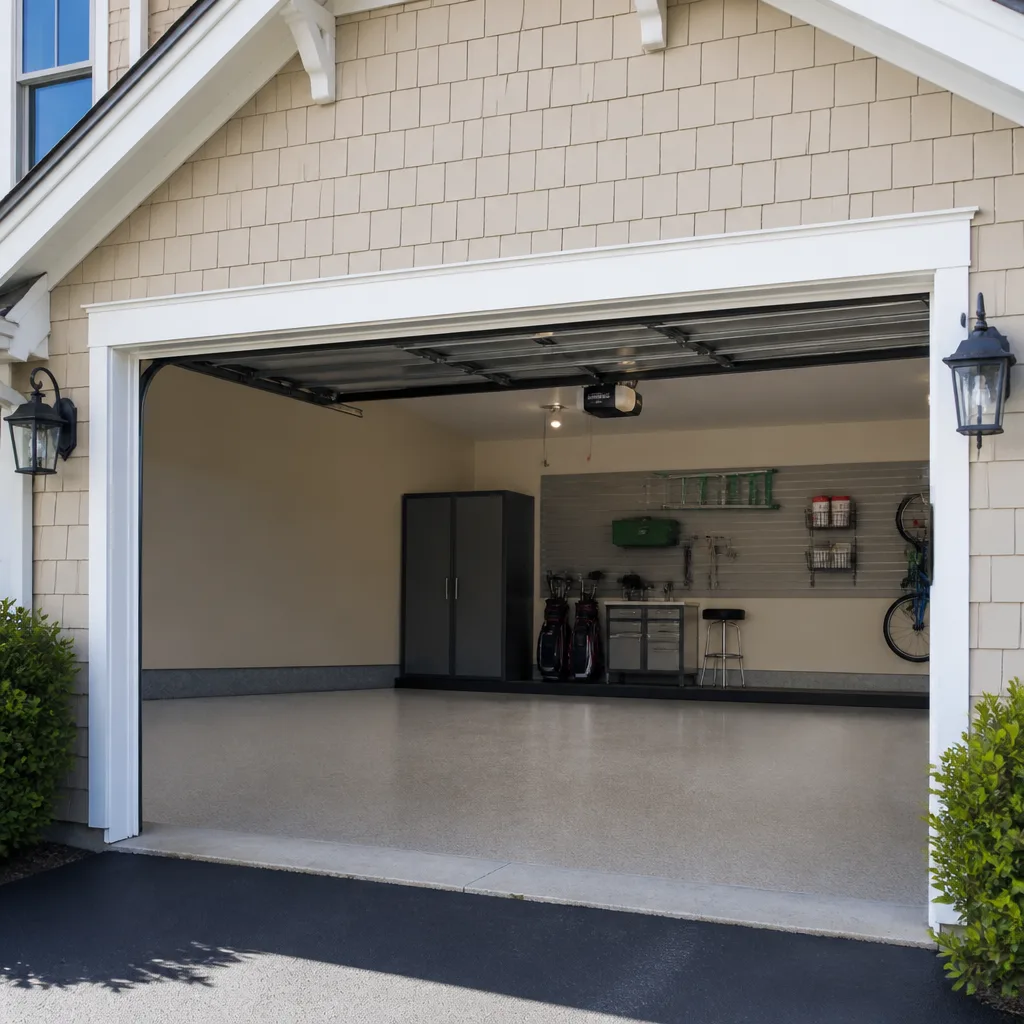 Chamberlain openers
Full 25-point door and opener safety check with every visit - springs, cables, rollers, tracks, and your LiftMaster or Chamberlain opener included
You get a price before we start. It does not change when the pro arrives.
Get your free estimateGarage Door Repair Troubleshooting in West Babylon: Common Problems and How to Fix Them
Most homeowners assume a refusing door means something serious and expensive has failed inside the opener or the wall. In practice, the door that “just stopped working” is almost never a mystery. It’s one of five failure patterns, and four of them announce themselves clearly if you know where to look. A motor that hums while nothing moves is a different animal from total silence, and a door that travels partway and reverses is different again from one that won’t budge at all. This guide maps symptoms to root causes for West Babylon homeowners, so you stop chasing the wrong fix and know exactly when a screwdriver is the right next move versus a phone call.
Quick Answer
Garage door problems in West Babylon usually fall into one of five patterns: a broken spring, an off-track or jammed door, a sensor fault, a worn opener gear or logic board, or a remote and wiring issue. One quick test settles a lot of it before anyone arrives. Pull the manual release to disconnect the opener and lift the door by hand. If it’s too heavy to lift or feels stuck, you have a mechanical problem; if it glides easily and the opener still won’t run it, you’re looking at the opener or its sensors.
Styles & brands we work with
- Raised-panel steel
- Carriage house
- Modern flush
- Full-view glass
- LiftMaster openers
- Chamberlain openers
Table of Contents
- The Five Failure Patterns Behind Almost Every Garage Door Problem
- The One Test to Run Before You Call Anyone
- Motor Runs but the Door Doesn’t Move: What That Means
- Total Silence: When the Opener Is the Culprit
- Door Won’t Close: Three Causes, Three Distances
- How West Babylon Humidity Attacks Your Hardware
- Which Fixes Are DIY-Safe and Which Aren’t
- Brands We Work On and What We Look For First
The Five Failure Patterns Behind Almost Every Garage Door Problem
In our experience across Garage Door Repair West Babylon work, we can group nearly every call we get into one of five categories. Knowing which one you’re in tells you more about the likely repair than a dozen guesses at the opener.
- Mechanical failure. Springs, cables, rollers, and hinges. The heavy lifting hardware. These are the parts that actually move the door’s weight.
- Track and alignment. The door has gone crooked, a roller has jumped the track, or the panels have bound up against the frame.
- Sensor and safety fault. The reversing sensors are misaligned or blocked, so the door refuses to close, or the safety reverse engages without warning.
- Opener failure. A stripped gear inside the motor, a dead logic board, a worn belt or chain, or a drive that has come loose from the door arm.
- Control and wiring. Remotes, keypads, wall buttons, and the small wires running from the sensors or the wall station to the opener.
Each pattern produces a distinct symptom. Springs break with a loud crack and the door becomes dead weight. A jumped track makes the door rumble or sway unevenly. Sensor faults stop the door cold at the same spot every time. Opener failures often show up as grinding or clicking. Control problems are usually intermittent: the door works one day and ignores the remote the next. Local geography shapes all five, and West Babylon’s climate pushes on them in specific ways we cover further down.
The One Test to Run Before You Call Anyone
Before you call a pro, do the manual disconnect test. Every opener has a release cord or lever, usually a red T-handle hanging from the carriage rail near the motor. Pulling it disconnects the opener from the door so the door is on its own. This single test separates mechanical problems from electrical ones.
- Close the door fully. Start from a closed position so nothing is under tension when you disconnect.
- Pull the manual release. You’ll hear the opener click; the door should now move independently of the motor.
- Lift the door by hand. Grab the bottom handle and raise it slowly to about waist height, then halfway, then all the way up.
- Release and observe. Let go and see what the door does. A balanced door should stay roughly where you leave it. A door that drops sharply or refuses to stay put has a balance problem, usually a spring.
- Lower the door the same way. It should come down smoothly with light pressure. Resistance, grinding, or grinding squeals mean mechanical trouble.
If the door lifts easily and holds its position, the mechanical hardware is healthy, and the problem is in the opener, sensors, or wiring. If it won’t lift at all, or drops, the door is out of balance and the opener can’t safely carry it. Either way, you now know which side of the system to troubleshoot. Reconnect the door by lifting it to the closed position and re-engaging the carriage by hand before operating the opener again.
Motor Runs but the Door Doesn’t Move: What That Means
A motor that powers up, hums, or clicks while the door stays put points to a break in the chain of moving parts between the opener and the door. That’s most often a mechanical issue, not an electrical one. The opener is fine; it’s just not transmitting force where it needs to go.
Start by checking whether the manual release is engaged. If someone pulled the release cord and forgot to re-engage the carriage, the opener will spin uselessly. Re-engage it and try again. If the carriage is connected and the door still won’t move, look at the drive system. A stripped gear in the opener will allow the motor to turn while the drive stays still; you’ll often hear a grinding or humming sound that repeats without progress. A snapped belt, a detached chain, or a loose arm bar connecting the opener to the door will do the same thing. Our garage door opener repair work starts here, because the motor is usually the last thing to fail and the easiest thing to blame.
One warning: don’t keep cycling a non-moving motor hoping it will catch. Running the opener against a jammed door or a dead weight stresses the gear, the drive, and the logic board, and can turn a small repair into a bigger one. If the door isn’t moving, stop the opener and troubleshoot the mechanical side first.
Total Silence: When the Opener Is the Culprit
Silence is the opposite symptom, and it points in the other direction. If the motor gives no sound, no light, and no movement at all, the problem has almost certainly shifted to the opener’s electrical side. Work through the electrical chain before assuming the opener has died.
- Wall outlet. Confirm the opener is plugged in and the outlet is live. A tripped GFCI outlet in a garage is a common, quiet failure.
- Wall station and remote. Try both. If the wall button works and the remote doesn’t, you’re looking at a remote or battery issue, not an opener.
- Logic board. If the opener has power but doesn’t respond to any input, the logic board may have failed. This is common on older units where the control board has aged out.
- Capacitor. Many AC-motor openers have a start capacitor that can fail and prevent the motor from turning on.
- Safety reverse and photo-eye wiring. A shorted sensor wire or a damaged sensor run will sometimes lock out the entire opener. Trace the wires from the sensors up to the motor; look for crushed, chewed, or disconnected lines.
We work on the major opener brands installed around West Babylon, including LiftMaster and Chamberlain, so if the logic board or capacitor has failed, the replacement path is usually straightforward once we confirm where the fault is. If a board keeps failing on the same opener, we look at the sensor wiring and outlet condition before replacing again.
Door Won’t Close: Three Causes, Three Distances
“The door won’t close” is the most misdiagnosed complaint we hear. The same symptom has three completely different causes, and the distance at which the door stops tells you which one you’re dealing with.
Stops at about six inches
The door has barely started to descend and immediately reverses. This points to the safety photo-eye sensors at the bottom of the opening. The sensors shoot an infrared beam across the width of the door; if the beam is broken or misaligned, the opener interprets an obstruction and reverses. Check that the sensors are facing each other, that the small LEDs on each are lit steady (not blinking), and that nothing (a hanging broom, a bin, a heap of recycling) is blocking the beam. Cleaning the sensor lenses solves a surprising share of these.
Stops halfway down
A door that stops partway points to a track, binding, or limit-setting issue. A roller may have bound up in the track or shifted out of its groove, the door may be hanging crooked, or the opener’s down limit may need adjustment. Gently rock the door by hand and watch for uneven movement. A door that swings or tilts as it descends usually has a track or roller problem.
Stops at the floor
A door that lowers all the way then reverses just as it meets the floor usually has a limit or force setting that needs adjusting, or a worn bottom seal that is triggering the reverse. The opener thinks the door has hit something. This is often an opener adjustment rather than a door hardware problem, though a damaged bottom seal or a bent bottom bracket can also cause the reverse.
Common to all three: a genuine obstruction, a sensor misalignment, or a force setting that has drifted. The distance narrows it down quickly. That’s most of what garage door repair is: figure out which of the three distances the door stops at, then diagnose from there.
How West Babylon Humidity Attacks Your Hardware
West Babylon’s summer humidity is hard on garage hardware, and it shows up as a set of specific failure points inland troubleshooting guides don’t cover. A hot, muggy stretch does particular damage in a space that traps moisture, and a closed-up garage is good at keeping it.
- Corroded sensor contacts. The small terminals on the photo-eye sensors oxidize faster in humid air, which can cause intermittent sensor faults and doors that mysteriously start reversing after weeks of working fine.
- Swollen wood sections. Wooden garage doors absorb moisture and swell at the bottom, where they sit closest to a damp floor. Swollen bottom sections bind against the frame and throw off the door’s alignment, so it drags or reverses on the way down.
- Rusted hardware. Hinges, rollers, and the metal track itself can oxidize over time, which stiffens motion and increases the load on the opener. Lubrication goes a long way here if it’s done on a routine.
- Sticking rollers and hinges. Humidity plus a lack of lubrication means rollers that stop turning and hinges that bind. The door then fights the opener every cycle.
- Opener strain. Everything above adds drag. A door that needs more force to lift is a door that’s more likely to trip the opener’s force limit and reverse.
A simple spring-and-fall lubrication routine on the hinges, rollers, and the track’s bearing surfaces cuts down on this significantly. Avoid greasing the track’s flat running surface itself – a light wipe is enough, and oil on rubber seals or the opener rail is usually counterproductive. The point is to keep the moving parts moving, not to coat everything in oil.
Which Fixes Are DIY-Safe and Which Aren’t
Some repairs a careful homeowner can handle. Others carry real injury risk, and no troubleshooting guide should encourage you to attempt them. Here’s the honest split.
Genuinely DIY-safe
- Sensor alignment and cleaning. The photo-eye sensors are low voltage and safe to adjust by hand. Clean the lenses, aim them at each other, check the LEDs, and secure the mounting brackets.
- Remote and keypad reprogramming. Reprogramming a remote or a keypad is a matter of following the opener’s instructions. This fixes a lot of “the remote stopped working” calls.
- Lubrication. A light application of a proper garage door lubricant on hinges, rollers, and the opener rail. No tools beyond a rag.
- Checking the power and outlet. Confirming power to the opener is fair game. Unplug and re-plug to reset the opener if the manual says to.
Leave to a trained professional
- Torsion springs. The torsion spring holds the door’s full weight under extreme tension. If it fails while you’re working on it, it can cause serious injury. A trained tech uses winding bars and proper technique to release and rewind. This is the top call we’d make personal.
- Extension springs. Similar risk. They’re under tension and can snap with force if released wrong.
- Cables and bottom brackets. The cables are under spring tension even when the door is up. A loose cable or a bottom bracket under load can whip and cause injury. Don’t loosen or adjust them.
- Track and roller repair on a loaded door. If the door is bearing weight, moving a roller in or out of a track is more dangerous than it looks. It’s not a one-person, one-screwdriver job on a live door.
If you’re not sure which side of the line a job sits on, treat it as professional work. The DIY repairs above are easy to do safely; the rest are easy to get wrong.
Brands We Work On and What We Look For First
Every opener and door is built a little differently, and knowing the brand changes where we look first. We service the most commonly installed residential brands, including LiftMaster, Chamberlain, Genie, Craftsman, Clopay, Amarr, Wayne Dalton, and Raynor. That covers the openers and the doors they drive, which means we’re not guessing at a brand we rarely see.
Our technicians have up to 13 years of experience across this range, and we’ve learned the failure points that recur on each. A LiftMaster or Chamberlain opener with a stripped drive gear is a familiar repair; the symptom is usually a motor that runs and sounds healthy while the door sits still. Craftsman openers from the eras that used replaceable logic boards often respond well to a board swap once we’ve confirmed the fault is in the control side, not the wiring. Raynor and Clopay doors have their own hardware quirks, and the spring and cable layout matters when we’re diagnosing a balance problem.
When you call, tell us the brand and roughly how old the opener is if you know. That information alone lets us pack the right knowledge before we arrive and often speeds up the diagnosis. If you’re not sure, the model plate on the back of the opener or on the door’s bottom bracket usually has it.
Common Mistakes to Avoid
- Forcing a stuck door. If the door won’t lift, don’t pull harder or cycle the opener repeatedly hoping it will catch. You’ll stress the opener and can make a track or roller problem worse.
- Assuming the opener is always the culprit. A motor that runs while the door stays still is usually fine. The failure is in the mechanical side, and replacing the opener won’t fix a broken spring or a jumped track.
- Ignoring the sensors. A blinking sensor LED is a direct signal. Cleaning and aligning the photo-eyes before calling can solve a false “door won’t close” complaint without a service call.
- Using the wrong lubricant. Grease, WD-40, or heavy oil on sensors, rubber seals, or the opener rail can attract grit and gum up the works. Stick to a garage door lubricant and keep it off the sensors.
- Attempting spring or cable work. Springs, cables, and bottom brackets carry stored tension even with the door down. These are the injuries we hear about most.
- Ignoring humidity-driven drag. In West Babylon, a door that’s started dragging in summer is often a lubrication and swelling issue, not an opener failure. Fix the drag before the opener pays for it.
- Not noting the brand and model. A few seconds spent finding the model plate saves an extra trip or a guess when you call.
See the difference
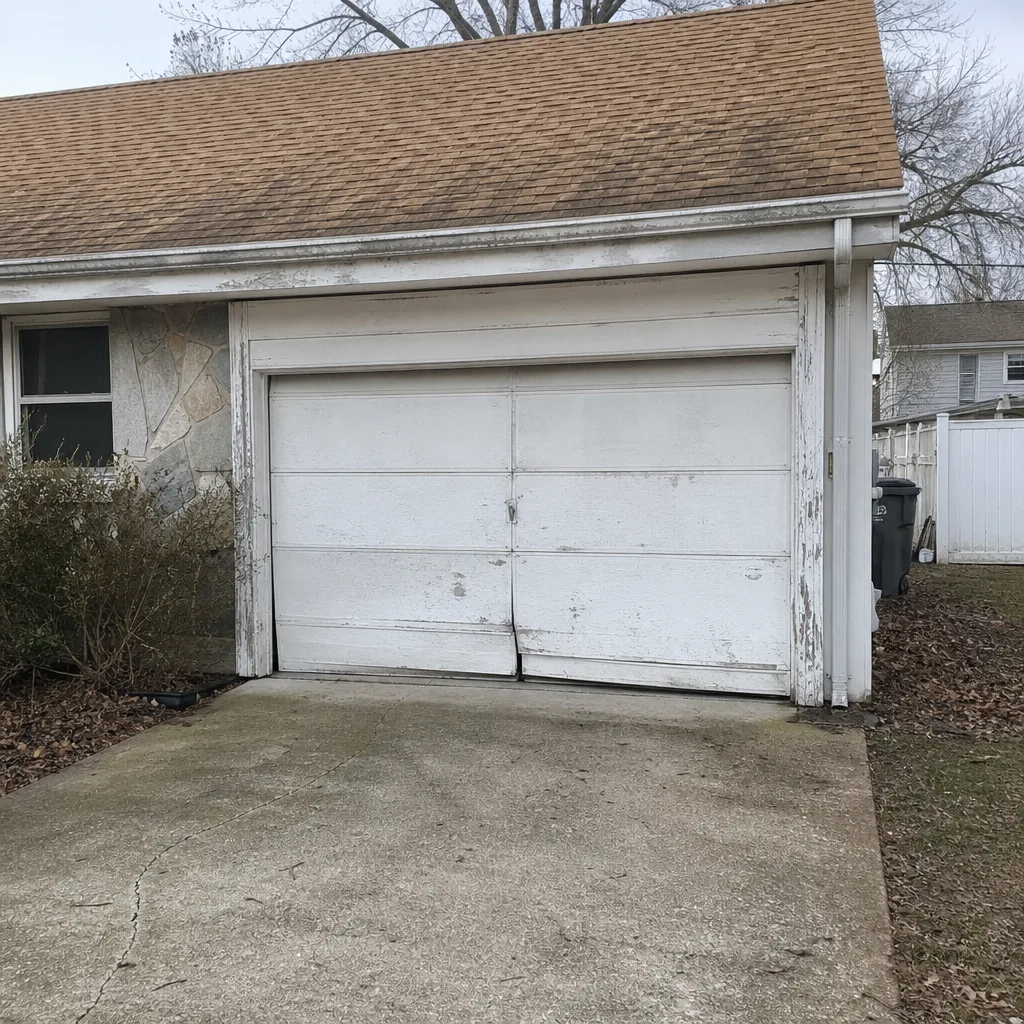 Before
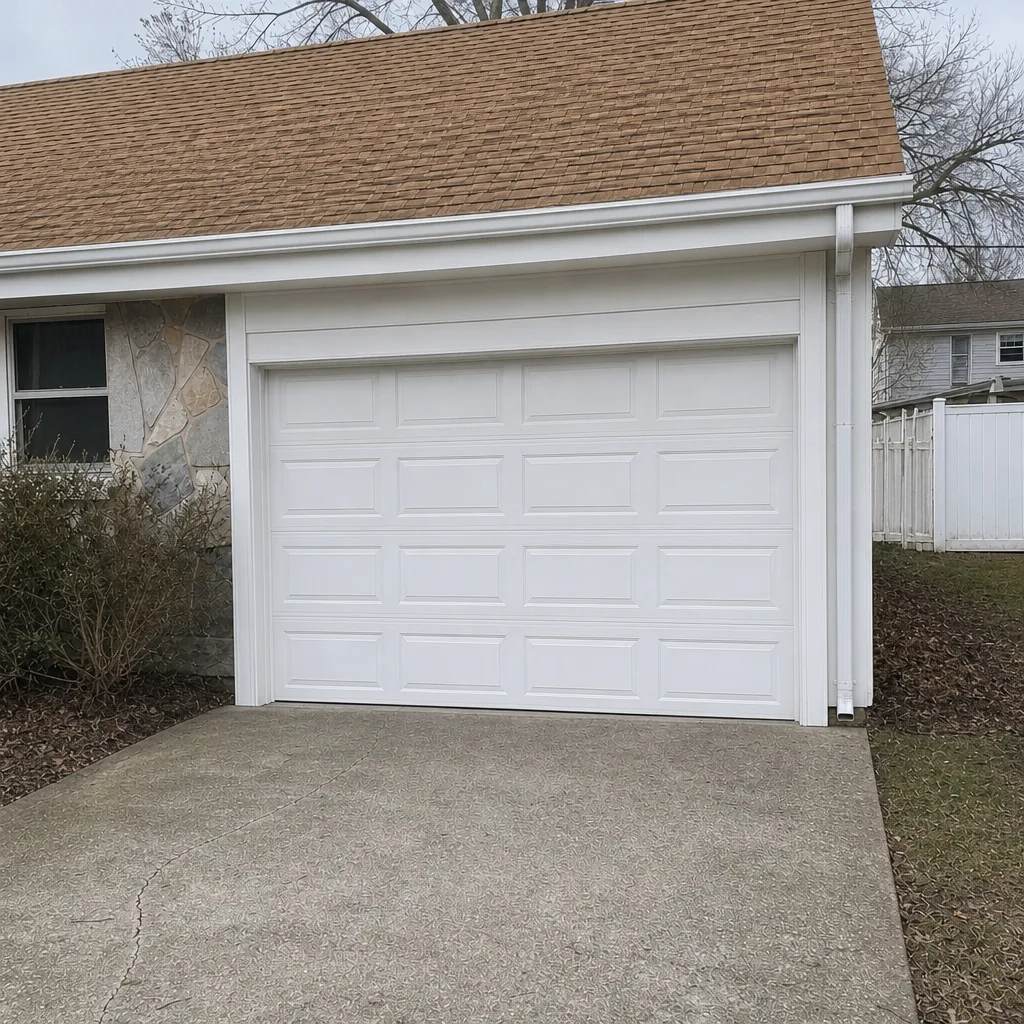 After
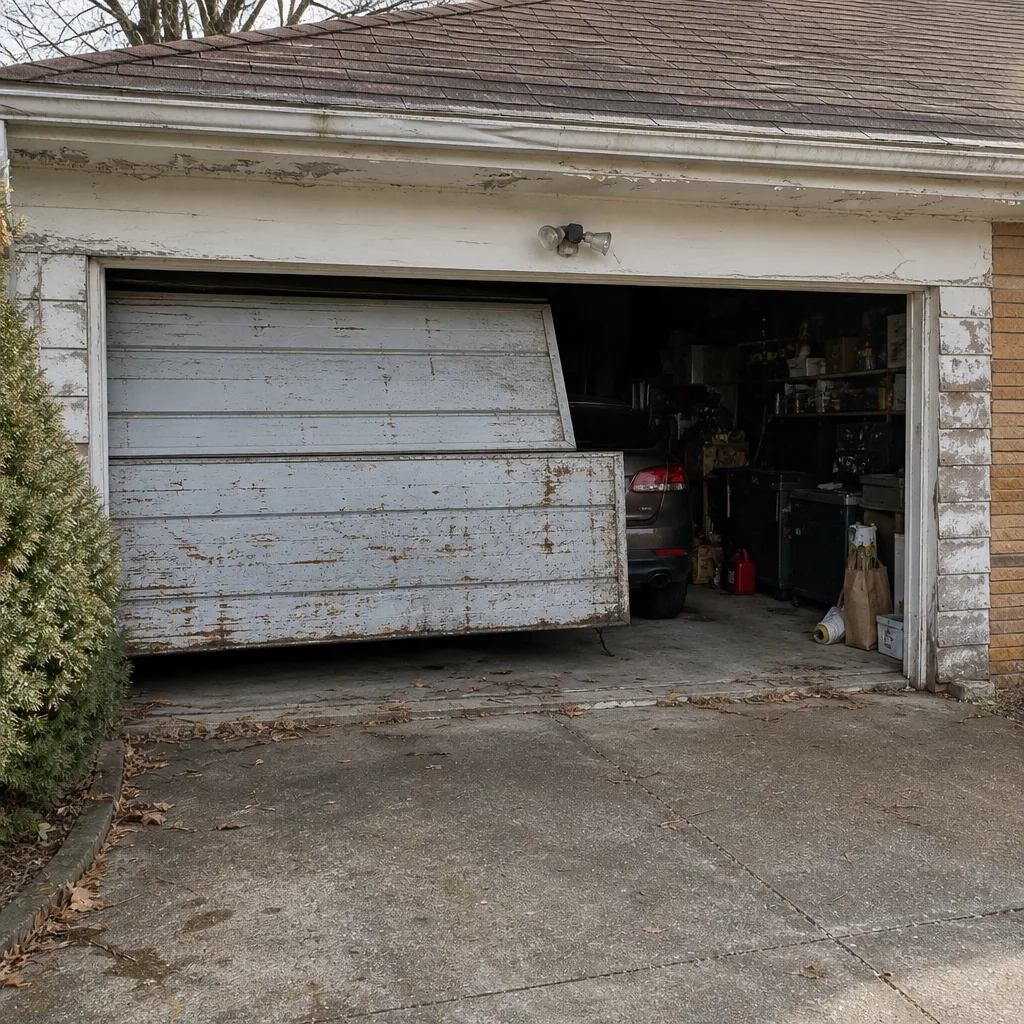 Before
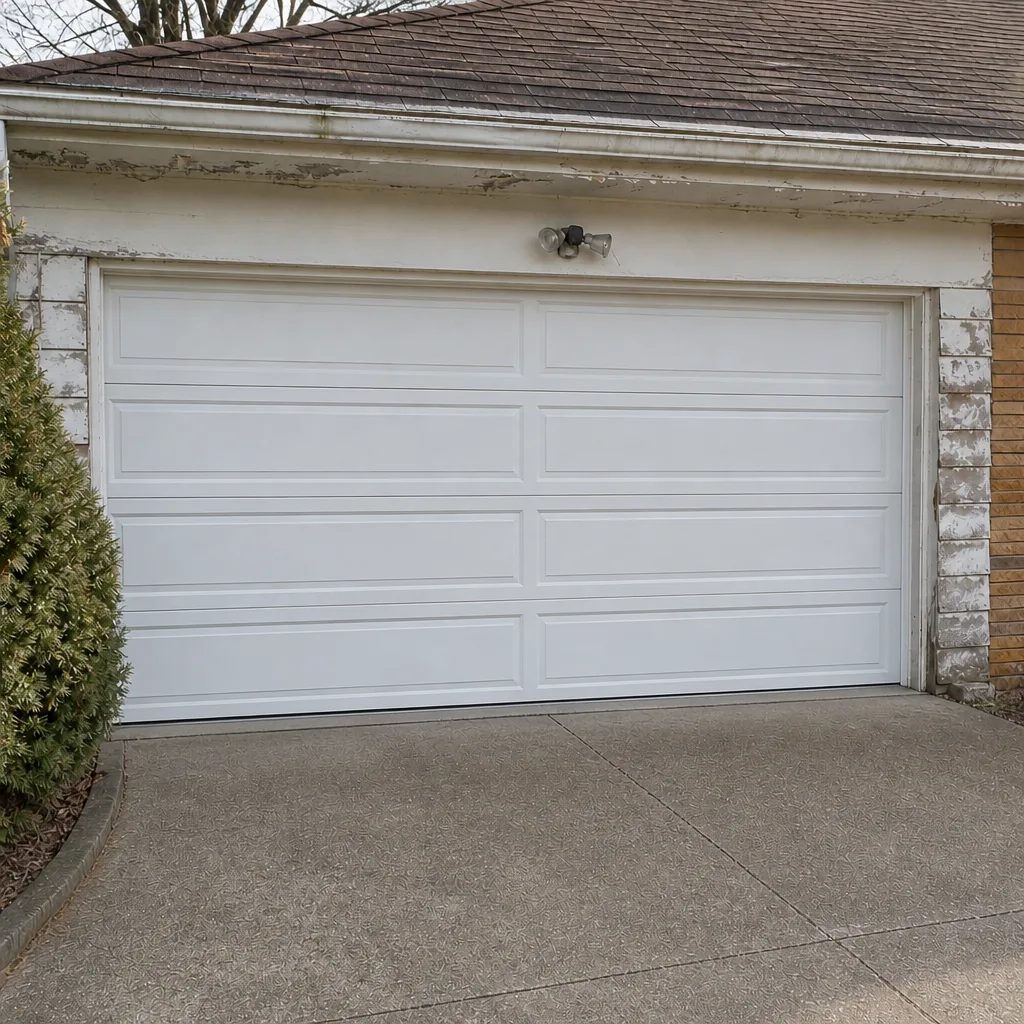 After
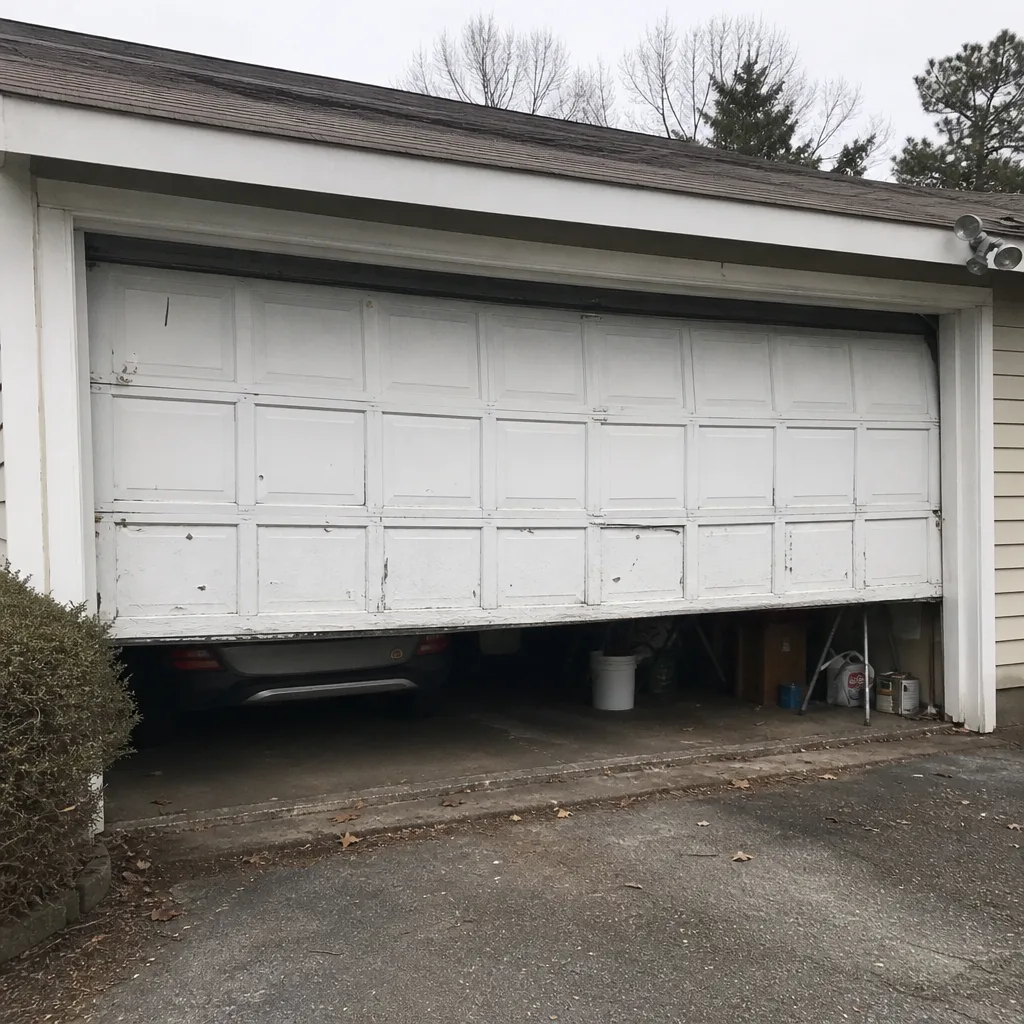 Before
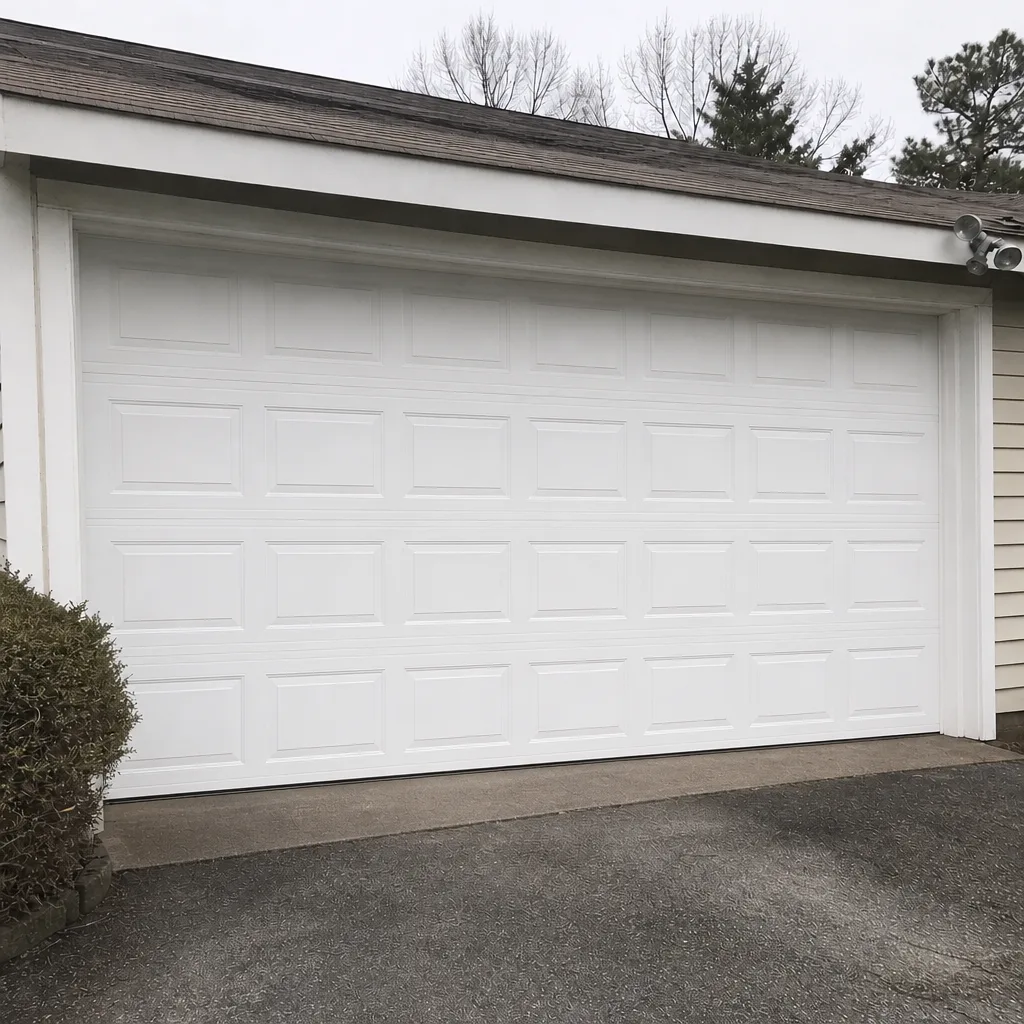 After
When to Call a Professional
Call a pro when you’ve run the manual disconnect test and the door won’t lift easily or stays down on its own. That’s a balance or spring problem, and it carries injury risk. Call when a spring has visibly snapped or the door has come off its track. Call when the opener runs but nothing moves after you’ve re-engaged the carriage, or when a logic board or capacitor has failed and the opener is silent. Call if the door reverses unpredictably after dark or in humid weather, since that can be a sensor or wiring fault that’s hard to trace. And call if your door is wood and has swollen after a wet spell. Garage Door Repair West Babylon offers free estimates in West Babylon. Call (855) 550-7512.
Frequently Asked Questions
Pull the manual release and try to lift the door by hand. If it lifts easily and holds position, the problem is in the opener, sensors, or wiring; if it won’t lift or drops, it’s a mechanical issue such as a spring. That one test tells you which side to diagnose. Call (855) 550-7512 for a free estimate if you’d rather have a tech walk through it.
It’s almost always the photo-eye sensors at the bottom of the opening. A misaligned beam, dirty lens, or an object blocking the beam triggers the safety reverse. Clean the lenses, check that the LEDs are steady, and confirm the sensors face each other. If the reverse happens at halfway or at the floor instead, the cause is different – limit or force settings, or a track and binding issue. Call (855) 550-7512 for an exact diagnostic.
No – torsion and extension springs are under extreme tension and can cause serious injury if released incorrectly. A trained tech uses winding bars and the right sequence to do the job safely. Leave spring replacement to a professional. Call (855) 550-7512; estimates are free.
At least twice a year, and more often in the humid season. Hinges, rollers, and the opener rail need a garage door lubricant to keep motion smooth and reduce drag. Skip the grease and heavy oils, and keep lubricant off the sensors and rubber seals. Call (855) 550-7512 if you’d like a technician to check the door’s motion while they’re on site.
No – the price is quoted and agreed before any work starts, and the written estimate sets the final price. That’s the point of an estimate: you know the number before the technician touches the door. Call (855) 550-7512 for an exact quote; estimates are free.
Probably not. A running opener with a still door usually means a broken spring, a jumped track, a detached arm, or a stripped gear in the drive – all mechanical. Stop the opener and call for a diagnostic rather than continuing to cycle it. Call (855) 550-7512. We answer 24/7. Fast dispatch from 7am to 7pm, Sunday through Friday.
The Bottom Line
Most garage door problems aren’t mysterious. They’re one of five failure patterns: mechanical, track, sensor, opener, or control. The manual disconnect test tells you whether the issue is the door or the electronics, and the distance at which the door reverses narrows the sensor and limit faults quickly. West Babylon’s humidity pushes specifically on sensors, wood swelling, and rusty hardware, so lubrication and sensor care prevent a lot of trouble. Leave springs, cables, and bottom brackets to trained techs. If you’ve run the test and you’re still not sure, a free estimate will tell you exactly what’s wrong and what it takes to fix it.
Call Garage Door Repair West Babylon at (855) 550-7512 for a free estimate. We answer 24/7. Fast dispatch from 7am to 7pm, Sunday through Friday. One call covers it: repair, opener, springs, or a full new door.
Written by the team at Garage Door Repair West Babylon.