
Last updated November 23, 2026
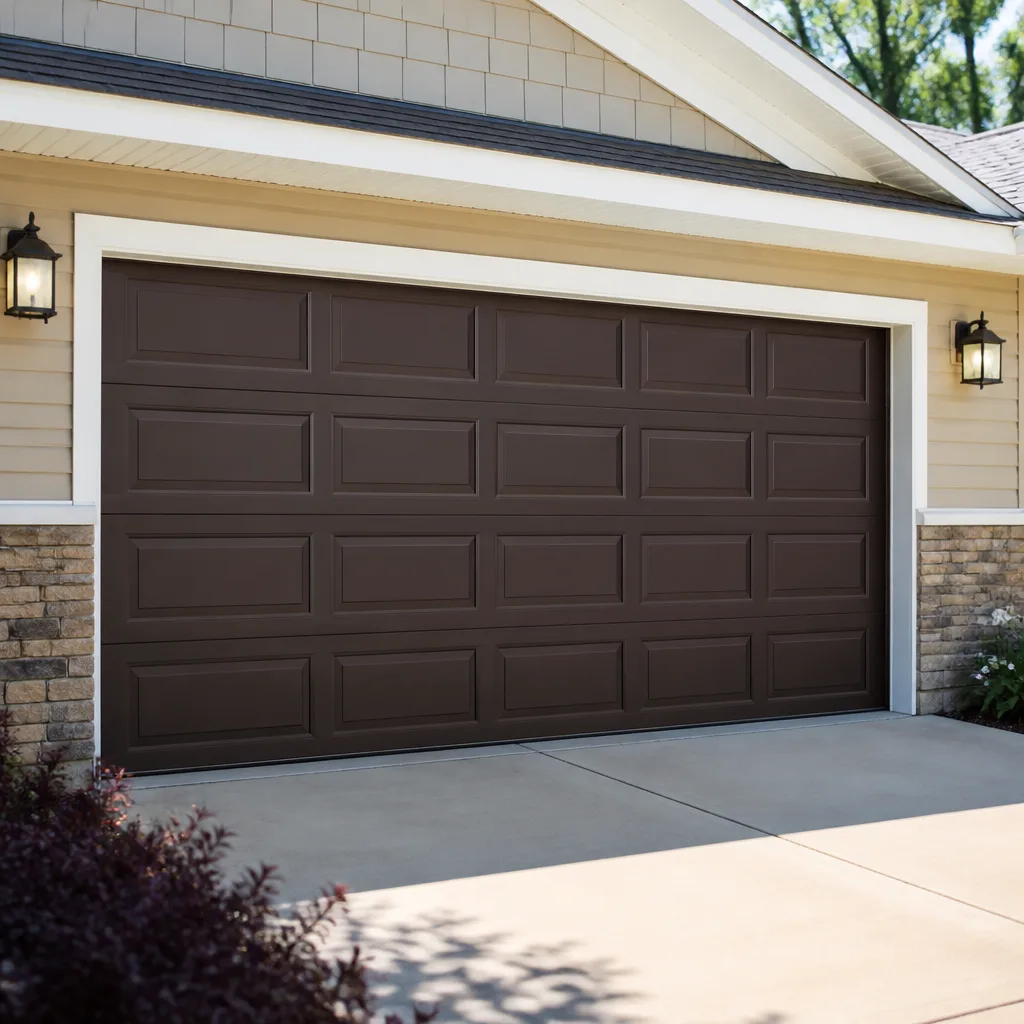 Raised-panel steel
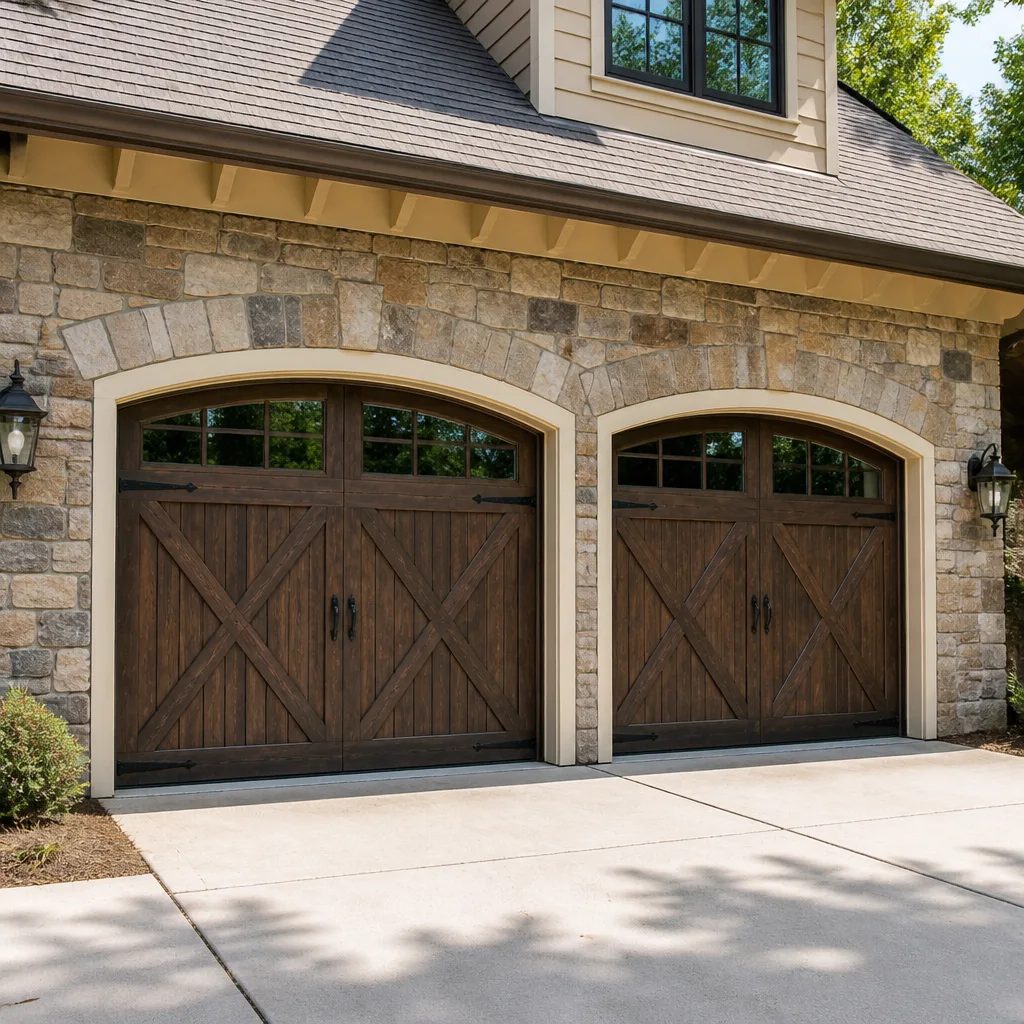 Carriage house
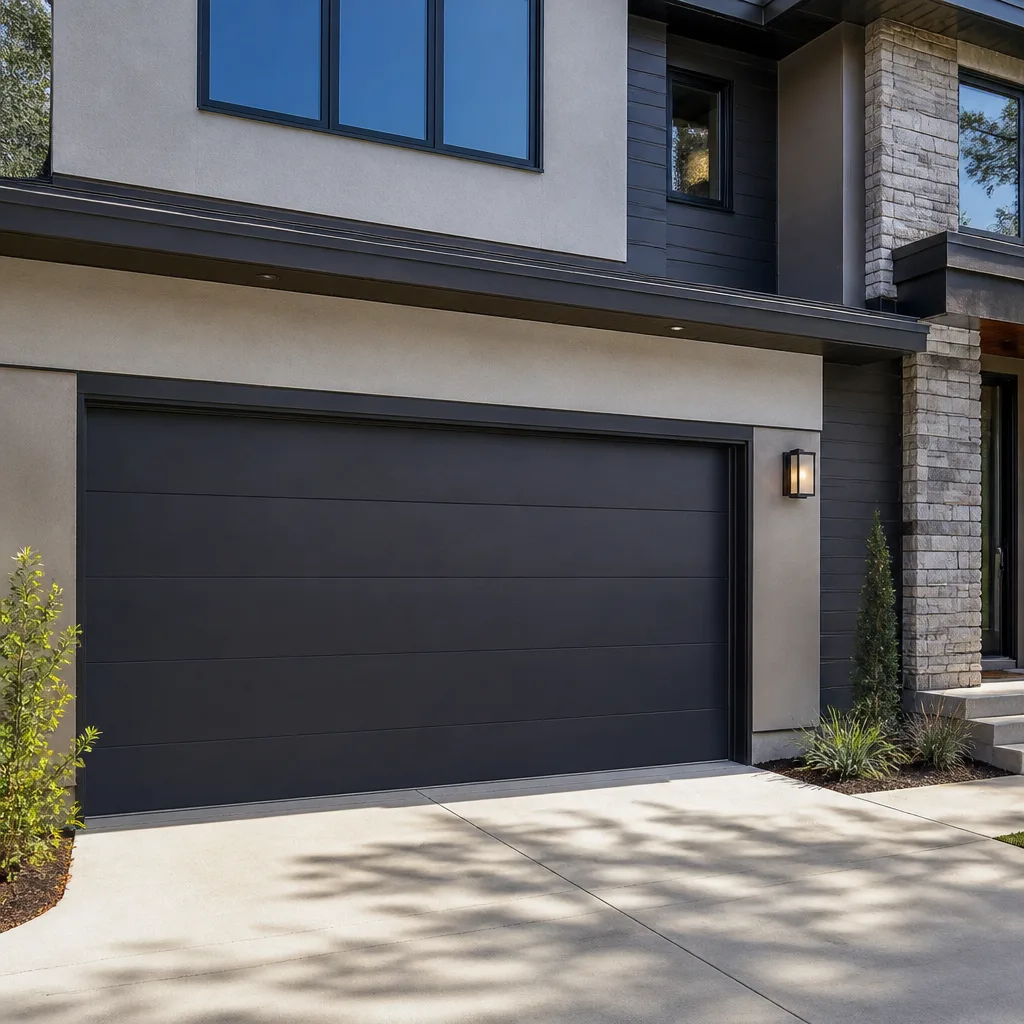 Modern flush
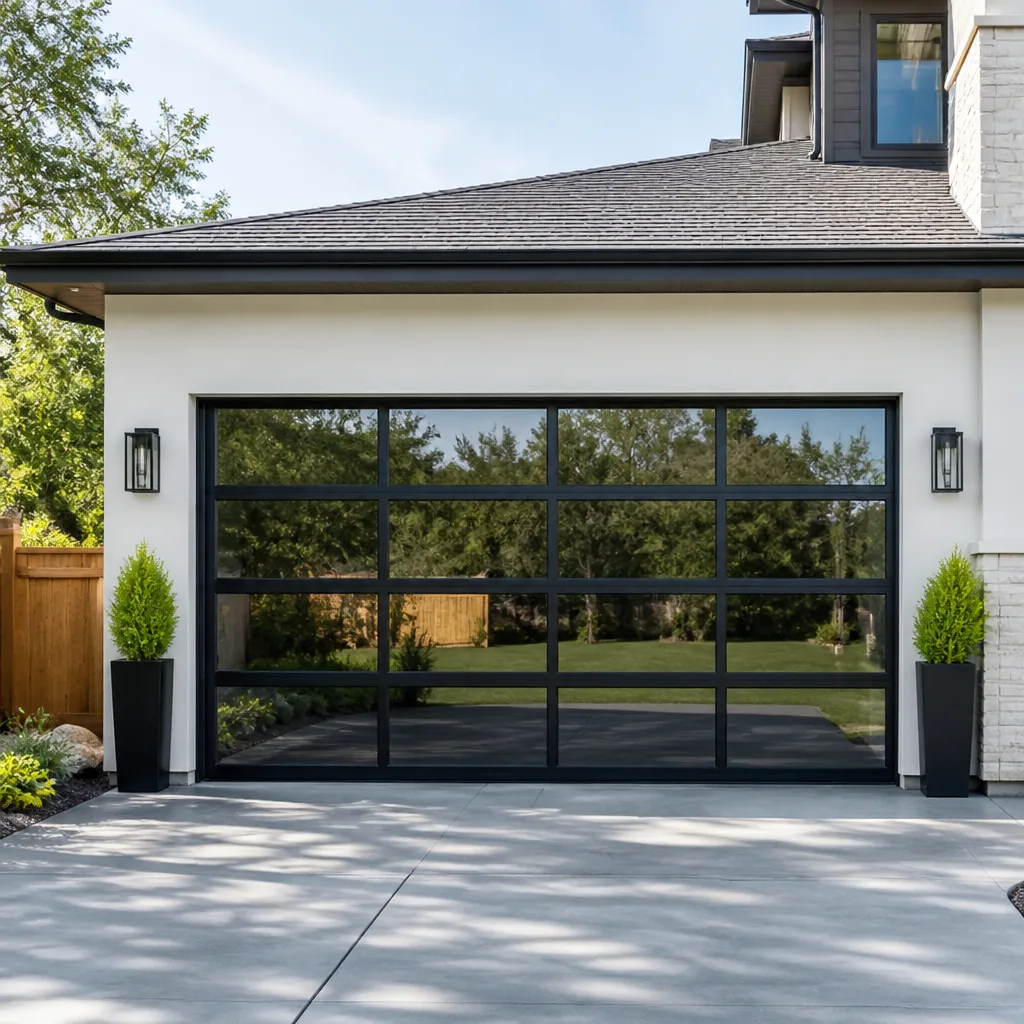 Full-view glass
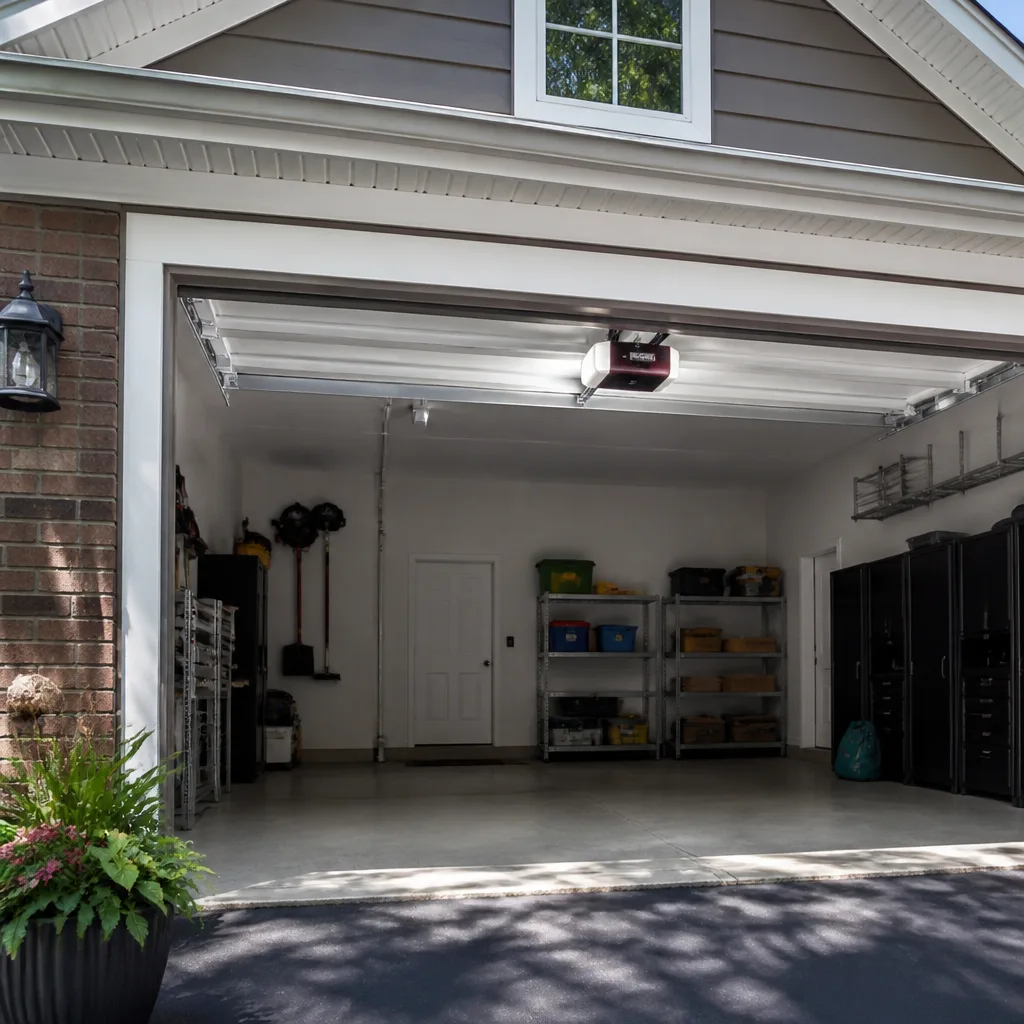 LiftMaster openers
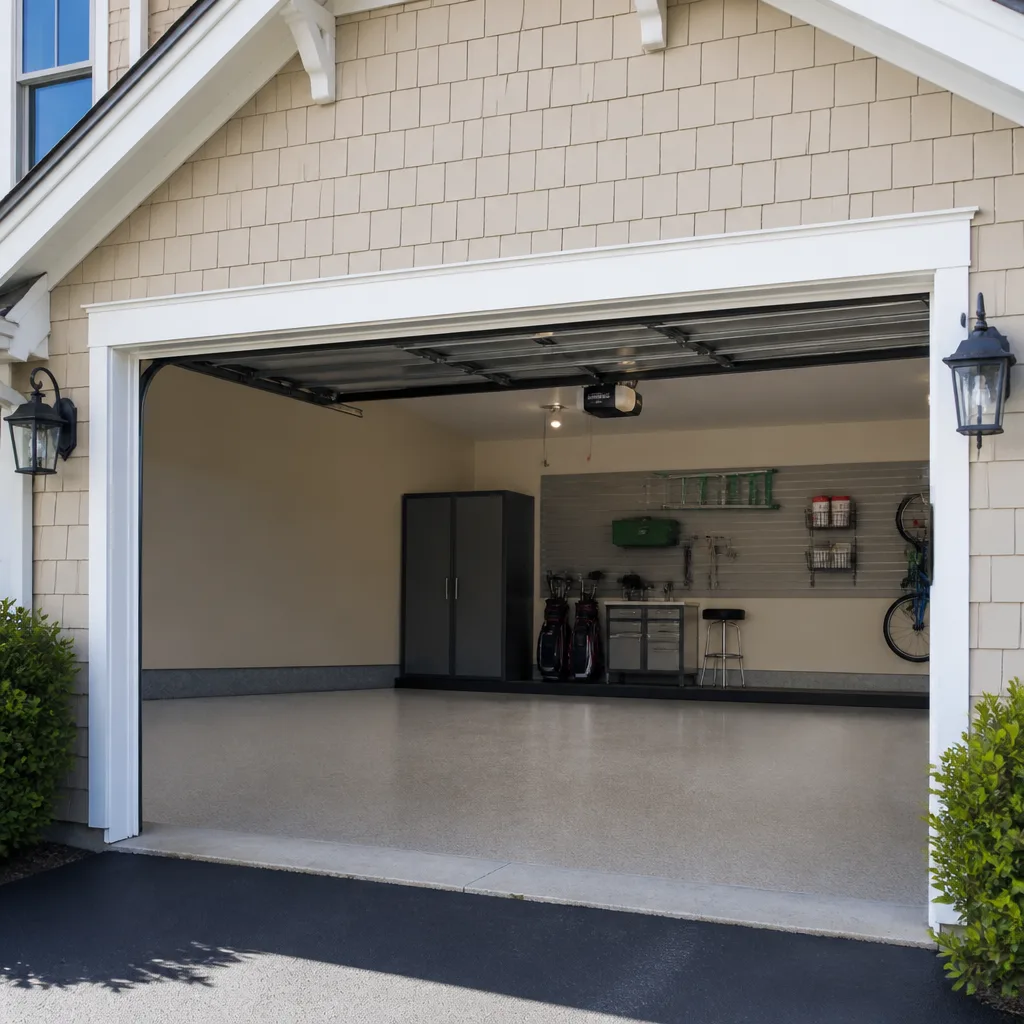 Chamberlain openers
Full 25-point door and opener safety check with every visit - springs, cables, rollers, tracks, and your LiftMaster or Chamberlain opener included
You get a price before we start. It does not change when the pro arrives.
Get your free estimateThe Complete Guide to Garage Doors in West Babylon
Most homeowners don’t think about their garage door until it traps the car inside at 7 a.m. on a workday. By then, the decision is already made for you, and it usually costs more than it would have a month earlier. The misconception is that a garage door is either working or broken; in reality, it wears out slowly, giving plenty of warning signs most people overlook. This guide maps every stage of that wear, from the first squeak to a full door replacement, against what actually happens on West Babylon streets: the humidity off the South Shore, the road salt coming off Sunrise Highway, and the mix of 1960s ranches and newer builds that shapes which doors fit and how long the hardware lasts. You’ll learn how to tell a repair from a replacement, what to check yourself, and how to vet a contractor without getting stuck in a bait-and-switch service call.
Quick Answer
Garage door problems in West Babylon usually trace back to worn springs, corroded hinges and rollers, or an opener that’s reached the end of its service life. Most failures are repairable, and a trained technician can diagnose the cause in a single visit rather than guessing at parts. The decisions that matter most are when to repair versus replace, and knowing which parts are genuinely dangerous to touch yourself. Springs, cables, and the torsion assembly are professional-only work; cleaning tracks, testing the safety reverse, and lubricating moving parts are jobs a careful homeowner can handle.
Styles & brands we work with
- Raised-panel steel
- Carriage house
- Modern flush
- Full-view glass
- LiftMaster openers
- Chamberlain openers
Table of Contents
- Why West Babylon Doors Wear Differently
- Common Garage Door Sizes in West Babylon Housing
- Repair or Replace: A Decision Tree
- The Spring System: What Fails and Why It’s Dangerous
- Openers: Brands, Repairs, and When Upgrading Makes Sense
- What You Can Do Yourself and What You Shouldn’t
- How to Vet a Local Contractor
- A Maintenance Routine That Fits Long Island Seasons
Why West Babylon Doors Wear Differently
West Babylon sits close enough to the South Shore that the air carries more humidity than neighborhoods farther inland on Long Island. That moisture doesn’t just hang in the air; it works its way into the seams of steel doors, hinge plates, and roller brackets, and it slowly breaks down the factory paint and the protective coating on the fasteners. Add the road salt tracked in off Sunrise Highway through winter and early spring, and the underside of a door and its bottom weather seal take a heavier beating than a door sitting in a drier, salt-free environment 20 minutes north.
What does this look like in practice? A door that would last fifteen years in a dry climate might show surface rust on its hinges and a crusty bottom seal at year eight or nine here. Homeowners often notice the symptoms before they understand the cause:
- Brown or orange staining around hinges and roller stems
- A door that shudders or skips as it travels up and down
- Grinding or popping when the opener engages
- A bottom rubber seal that has cracked, stiffened, or pulled loose
- Paint bubbling along the lower panels near the driveway
Left alone, rust at the hinges spreads into the panel edges, and a stiff seal lets water pool against the bottom section, which is where rot and structural softness begin. Winter adds freeze-thaw cycling on the tracks and opener rail, and summer humidity keeps the hardware permanently damp. This is why Garage Door Repair West Babylon gets a steady stream of corroded-hinge and seal jobs in spring, once the thaw is over and the damage from the previous year becomes visible.
The good news is that this wear is predictable. A quick visual check of the hinges, bottom seal, and roller stems after each winter tells you more about the health of your door than any sticker on a service contract. If you see crust or rust at the hinges, that’s usually a sign to clean and treat the hardware, and possibly replace the worst hinges before the problem reaches the panel.
Common Garage Door Sizes in West Babylon Housing
What fits your opening depends on when your house was built. West Babylon has a wide spread of housing eras, and each era comes with its own standard.
The ranch and split-level homes built roughly from the 1960s into the 1980s usually have a single, wide opening: commonly 16 feet wide by 7 feet high. This reflects the two-car-front design popular in that era. Some of those might be a narrower 8 or 9-foot single opening if the garage was built for one car with storage along one side.
Newer construction and homes that have been expanded often carry a 16-by-7 opening too, but with a taller headroom that allows for a torsion system rather than extension springs. Custom builds may run 8 feet high or wider, and genuine one-car garages still use the 8-foot-by-7 or 9-foot-by-7 sizes.
Why does the size matter for a repair or replacement? A few reasons:
- Spring selection depends on door weight, which tracks closely with panel size and material.
- Opener capacity must match the weight and width of the door; an underpowered opener will fail early.
- Replacement panels must match the original width and rail configuration, and discontinued profiles sometimes force a full-section replacement.
- Headroom in older garages can be tight, and low-headroom toggle systems are sometimes the only option.
If you’re thinking about a new door, a proper measurement is the first step. That’s a free, no-obligation visit and a written quote, not a quick verbal guess over the phone. A door ordered to the wrong size is expensive to return, so insist on a measured estimate. Insulated versus non-insulated panels, glass or no glass, and steel versus other materials all factor into the final price.
Repair or Replace: A Decision Tree
This is the question homeowners most often get wrong, usually by either replacing a door that had years left in it or pouring money into one that was finished. It comes down to condition, age, and how often the door cycles.
Use these steps as a rough guide:
- Check the panels. A single dented or damaged bottom panel can often be replaced on its own, and that’s usually far cheaper than a new door. Multiple dented or rusted sections are a different story, since the panel profile might be discontinued.
- Count the cycles. A torsion spring is rated for a specific number of open-close cycles (typically in the 10,000 range for a standard spec). A busy household opens the door four to six times a day, so that’s usually several years of service. If the door is over a decade old and the springs have never been replaced, that’s a sign they’re near the end and worth inspecting.
- Look at the tracks and rollers. Bent tracks or worn rollers are a repair. Crushed or rusted-through bottom sections, sagging panels, and a visibly twisted frame are replacement territory.
- Weigh the repair cost against the door’s condition. If a repair is going to consume a meaningful fraction of the cost of a new door on an already-tired door, it’s worth considering a full replacement.
- Consider the opener. A forty-year-old door with a modern, well-chosen opener is fine. A decent door paired with an opener on its last legs can make a full door replacement a reasonable package.
One point that trips homeowners up: a door that’s still operating but sounds rough and takes longer to open and close each season is signalling, not failing. Act now and a technician can usually spot the failing part before it snaps, which is the safest and cheapest path. Ignore it and the danger is a snapped spring midway through operation, which can damage other components and strand the car inside.
If you’re on the fence, a free estimate will tell you objectively. A trained technician can measure the spring cycle count, check the panel integrity, and tell you whether the door is a candidate for garage door repair or a replacement.
The Spring System: What Fails and Why It’s Dangerous
Springs are the most stressed part of any garage door system, and they are the most dangerous component to handle without proper tools and training. That’s not a scare tactic. A torsion spring under tension stores enough energy to cause serious injury if released in a hurry, and the tension bar and winding bars are specialised tools most homeowners don’t own. Cables are similarly under tension and can snap with force. This is not a job for a handyman, and certainly not for a weekend project.
There are two main spring systems:
- Torsion springs mount horizontally above the door on a steel shaft with a centre bearing, and they carry the load evenly across the door. They’re the most common system on modern doors.
- Extension springs mount along the tracks on either side of the door and stretch with the door’s travel. They’re common on older installations and require safety cables through them in case of failure.
Signs your springs need attention:
- A sharp bang or snap from the garage, often followed by a door that won’t open
- A visible gap in the coil of a torsion spring
- A door that feels extremely heavy when lifted manually
- A door that opens a few inches then stops
- Extension springs without safety cables running through them
Never attempt to inspect a spring by feeling along it while the door is up, and never try to reconfigure a tension bar or adjust the winding yourself. A trained technician has the winding bars, the tension gauge, and the training to know the exact load required for your door’s weight and dimensions. Garage door spring repair is a named specialty here because springs are the highest-failure component on any system, and they fail under load more often than any other part.
If you’ve heard a snap and the door won’t move, don’t try to force it. The cables may still be under load, and forcing the door can cause the spring assembly or cable to let go violently. Park the car outside, call us, and we’ll tell you whether to leave the door as-is while we schedule a visit. Repairs are typically quick once we arrive; the important part is not contesting the door in the meantime.
Openers: Brands, Repairs, and When Upgrading Makes Sense
The opener is the electronic side of the system, and it’s where homeowner frustration tends to live: a remote that won’t work, a door that reverses halfway down, or a wall button that only clicks. This is also where brand fluency matters, because a Craftsman opener has a different remote protocol than a LiftMaster, and a Genie chain drive has a different repair path than a Chamberlain belt drive.
Common opener problems we see on West Babylon doors:
- Remotes that lose pairing after a power outage or replacement battery
- Safety sensors that get knocked out of alignment (very common after driveway work or a stray wheel)
- Limit switches off by a hair, so the door stops just before closing or hits the floor and reverses
- Worn drive gears, especially on older units that have run for over a decade
- Motor failure on units that have cycled far past their expected service life
Most of these are repairable without replacing the opener. Repairs for LiftMaster and Chamberlain units follow a similar pattern, and Craftsman units share many components with those brands. Genie openers have their own drive path and remote protocol, but the diagnostic principle is the same: isolate the symptom (remote, sensor, wall control, or motor) before deciding what to fix. Garage door opener repair covers all four brands, so there’s no need to hunt for a brand-specific vendor.
Upgrades are worth considering when a unit is already failing and the cost of repair approaches the cost of a modern replacement. Modern openers add quiet operation (belt drive), smartphone control, battery backup, and more reliable safety sensors. The choice should reflect how you actually use the door: a daily commuter door wants quiet and reliable more than fancy features, while a household with kids wants a strong safety-reverse and reliable sensors above all. Ask about the trade-offs before you commit.
What You Can Do Yourself and What You Shouldn’t
There is a clear line between a task that saves a homeowner money and one that risks injury. Knowing where that line sits is the single most useful skill a homeowner can have.
Safe to handle yourself:
- Cleaning tracks with a stiff brush and wiping the rollers and hinges clear of debris
- Testing the safety reverse by placing a box in the door’s path (it should reverse immediately)
- Checking the photo-eye sensors and wiping them clean; making sure both are lit
- Replacing a remote battery and re-pairing the remote
- Lubricating the hinges, rollers, and springs (never use heavy grease; a proper door lubricant goes a long way)
- Cleaning and treating surface rust, then spot-painting
Strictly professional territory:
- Replacing torsion springs or extension springs (dangerous under tension; specialised tools required)
- Adjusting cable tension or replacing a snapped cable
- Replacing rollers that have seized and require tension release
- Realigning bent tracks
- Repairing opener internal components, drive gears, or limit switches
- Replacing the tail of a torsion spring or any winding-bar work
Take the springs off the DIY list entirely. A sudden failure with the door under load can injure the person or damage the frame, and a cable can snap like a whip. The tools for the job (proper winding bars and a tension gauge) aren’t found in the average garage, and the load calculation depends on the door’s exact weight and balance. If you’d rather not handle a snapped spring on your own, call us; we answer 24/7 and can advise whether to leave the door down until we arrive. Fast dispatch from 7am to 7pm means most urgent jobs get a same-day slot.
How to Vet a Local Contractor
Choosing a contractor is more about what happens before the work starts. The most common complaint we hear isn’t poor work, it’s a quoted price that doesn’t hold up. A few checks prevent most of that.
- Insist on a written estimate before any work starts. The price should be the price. If a quote only exists on a phone call, be wary. A reputable contractor will put in writing what will be replaced, the parts, and the total cost.
- Ask what brand of hardware is being used. Spring ratings and cycle counts differ. If the contractor can’t tell you which spring spec is going into your door, the job is being done blind.
- Ask whether they work on your brand of opener. Today, most installs use one of a handful of brands, so a technician should recognise the drive type and remote protocol at a glance. If they don’t work on your brand, you’ll likely get a “call someone else” answer mid-job.
- Confirm the name on the truck matches the name on the estimate. A bait-and-switch is a service call that ends up higher than quoted once the contractor is on-site.
- Ask for a clear diagnosis before the repair starts. The technician should be able to explain what failed and why, in plain language. If you don’t understand the diagnosis, ask them to repeat it; a good technician will.
- Confirm safety handling. A qualified technician will treat springs and cables as hazardous and require proper tools, not a handyman approach.
One word of warning: a low “diagnostic fee” that’s advertised in advance may become the hook for an expensive repair. A free estimate has no catch if the written price holds. The estimate is free and the price is set per job by the written estimate; if you’re ever unsure, ask for the estimate in writing before the technician places a hand on the door. That’s your protection against the surprise invoice.
A Maintenance Routine That Fits Long Island Seasons
A garage door in West Babylon doesn’t need a strict schedule, but a short check at the start of each season catches 80% of preventable failures. Here’s a simple routine built around the local climate:
- Early spring (after the winter thaw): Inspect hinges and the bottom seal for salt damage. Wipe and treat any rust. Lubricate hinges, rollers, and springs with a door-specific lubricant, not grease. Test the safety reverse with a box.
- Late spring (before summer humidity): Check the paint on the lower panels and the bottom seal again. Repair paint chips and treat rust before summer dampness spreads it.
- Late fall (before the freeze): Lubricate all moving parts. Check the weather seal at the bottom and sides. Test the opener’s safety reverse and the photo-eye sensors. Confirm the remote battery is fresh.
- Winter: Keep snow and ice off the bottom seal and the driveway where the door lands. Avoid forcing the door if it’s frozen shut; call us instead.
- After any storm: Look for bent tracks, off-level panels, and a door that no longer sits flush. Track realignment or a panel repair is worth doing early.
One habit that’s worth building: run the door through a full open-close cycle once a week and listen. Opener noise, a shutter or wobble, and any hesitation at the halfway point all surface before the door fails entirely. If you notice any of those, the diagnosis is cheap; the repair after a hard failure is not. A trained technician can inspect the spring cycle count and check the balance at the same visit as a routine tune-up.
Our technicians have up to 13 years of experience and have worked with a wide range of doors, spring systems, and opener brands across Long Island. If a tune-up reveals a failing spring, a worn hinge, or a seal that needs replacing, the same visit can usually cover the fix.
Common Mistakes to Avoid
- Forcing a door that’s stuck. If the door won’t move, the spring or a cable is likely to blame. Forcing it puts maximum load on the remaining components and can cause a sudden failure, so leave it alone and call us.
- Assuming the opener is broken when the spring is the real problem. A door that won’t open can be a motor problem, but a snapped spring is far more common. Diagnosing the wrong side wastes money on opener parts you didn’t need.
- Skipping the written estimate. Accepting a verbal range is how a repair bill escalates once the technician is on-site. Get the price in writing before the work starts, and confirm it matches the final invoice.
- Ignoring rust and seal wear. Surface rust on hinges and a cracked bottom seal are easy to miss until moisture gets into the panel edge. West Babylon humidity and salt accelerate this faster than inland Long Island, so a seasonal look at those two spots saves real repair cost.
- Hiring a handyman for spring or cable work. Springs and cables are under tension and require specialised tools. Save the DIY for cleaning and lubricating; call a specialist for anything under load.
- Buying a door without measuring the opening first. The wrong size means a rejected door and a second visit. A measured, written estimate prevents that, and it’s free.
- Replacing a door when only a panel or spring failed. The decision tree in this guide is meant to be taken step by step. A single panel or spring repair is often far cheaper than a new door, and a good technician will say so.
See the difference
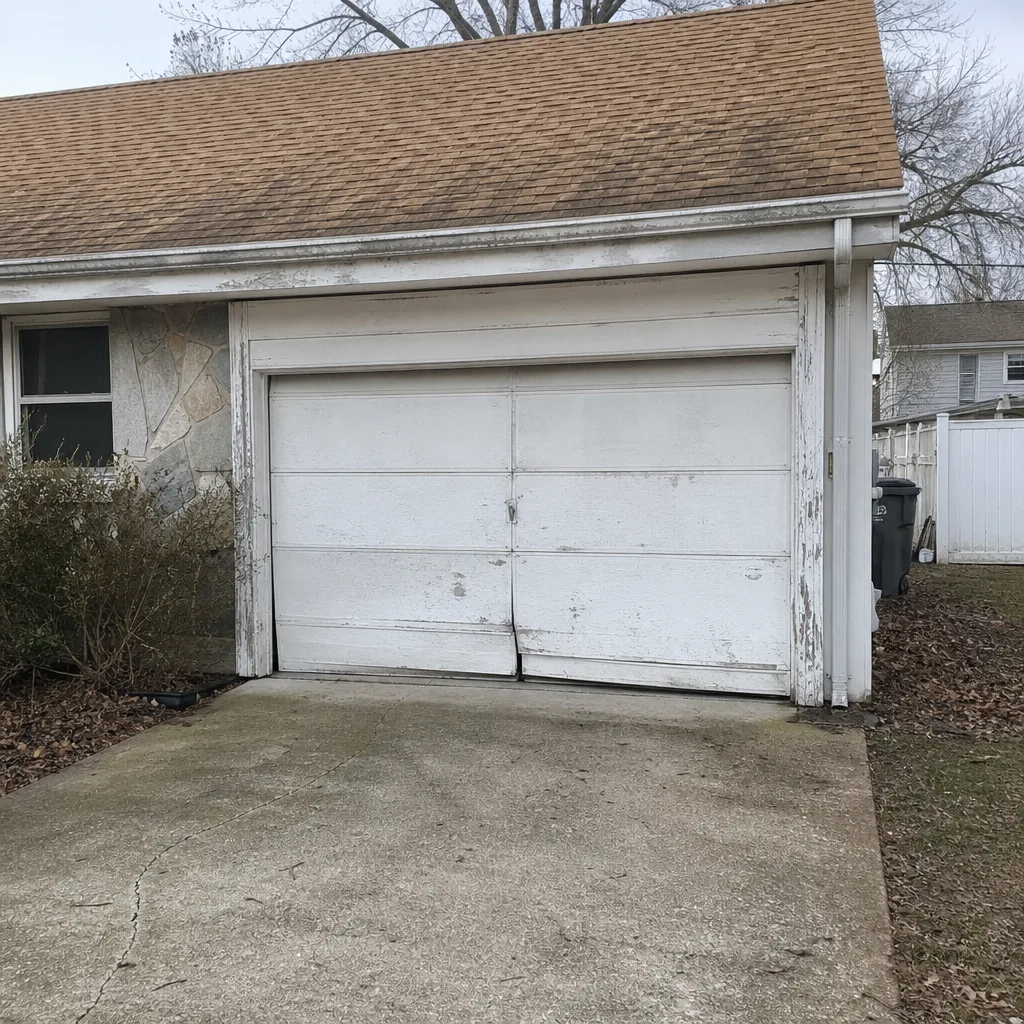 Before
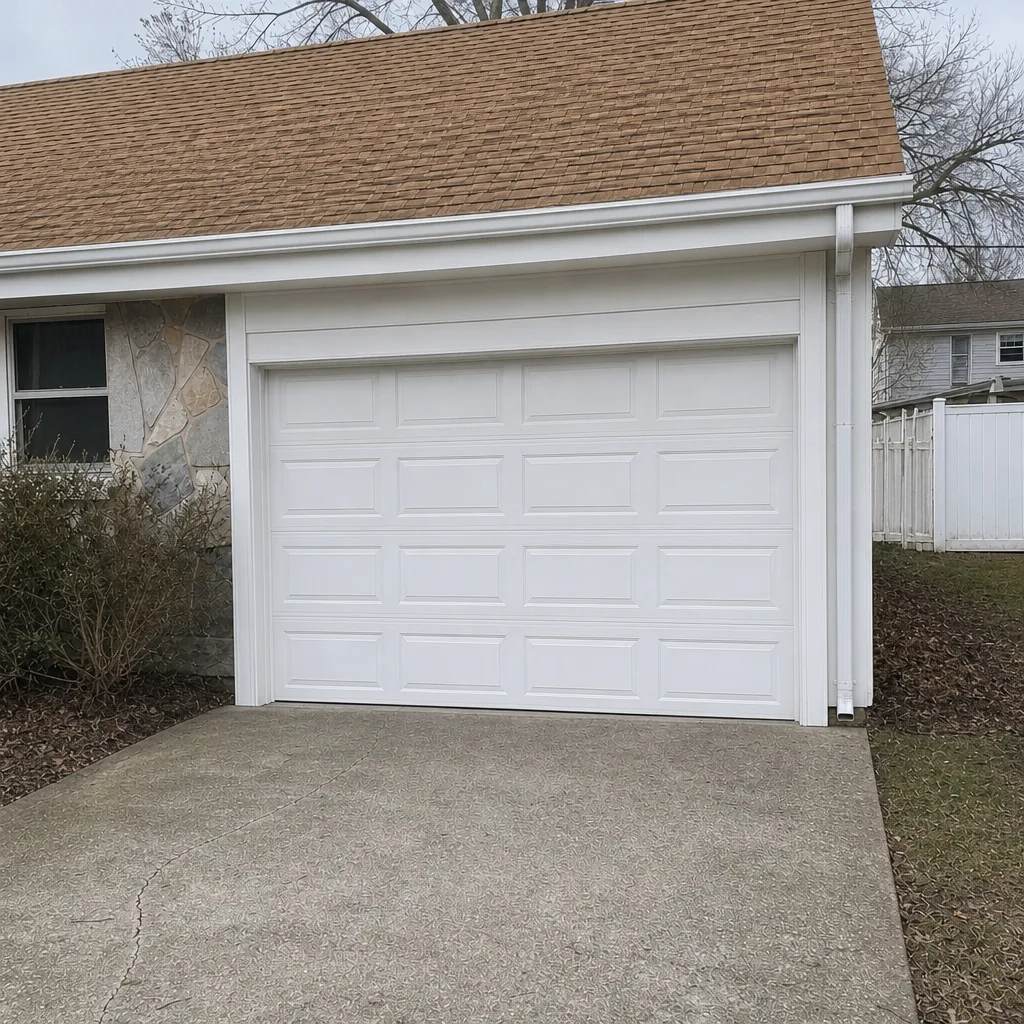 After
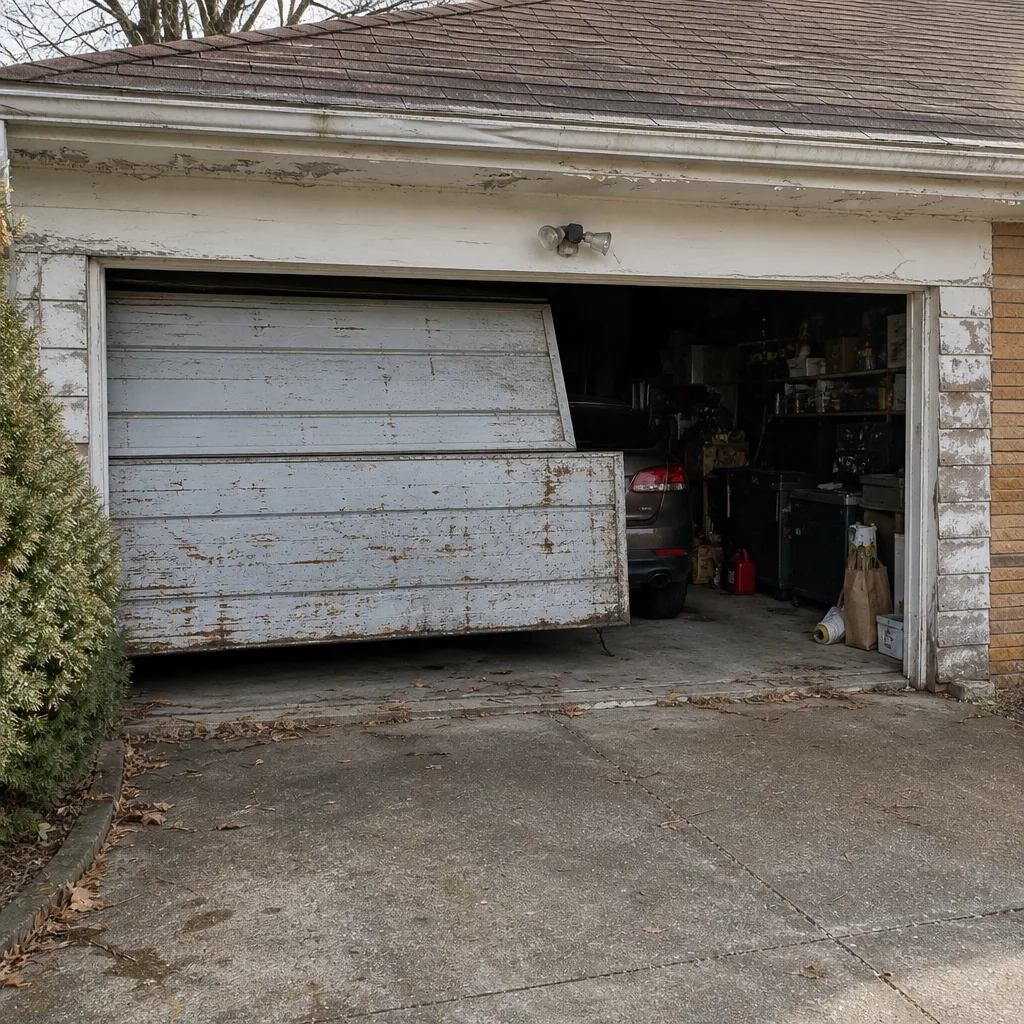 Before
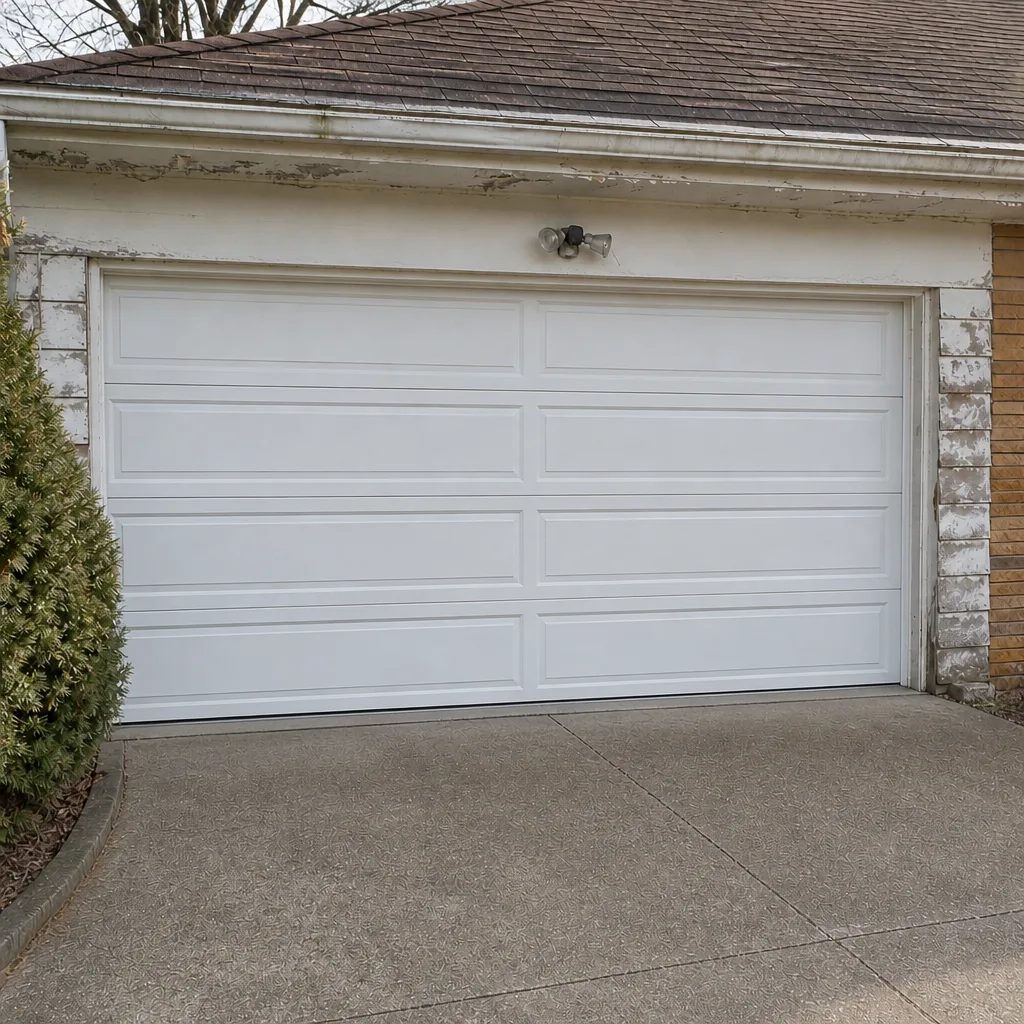 After
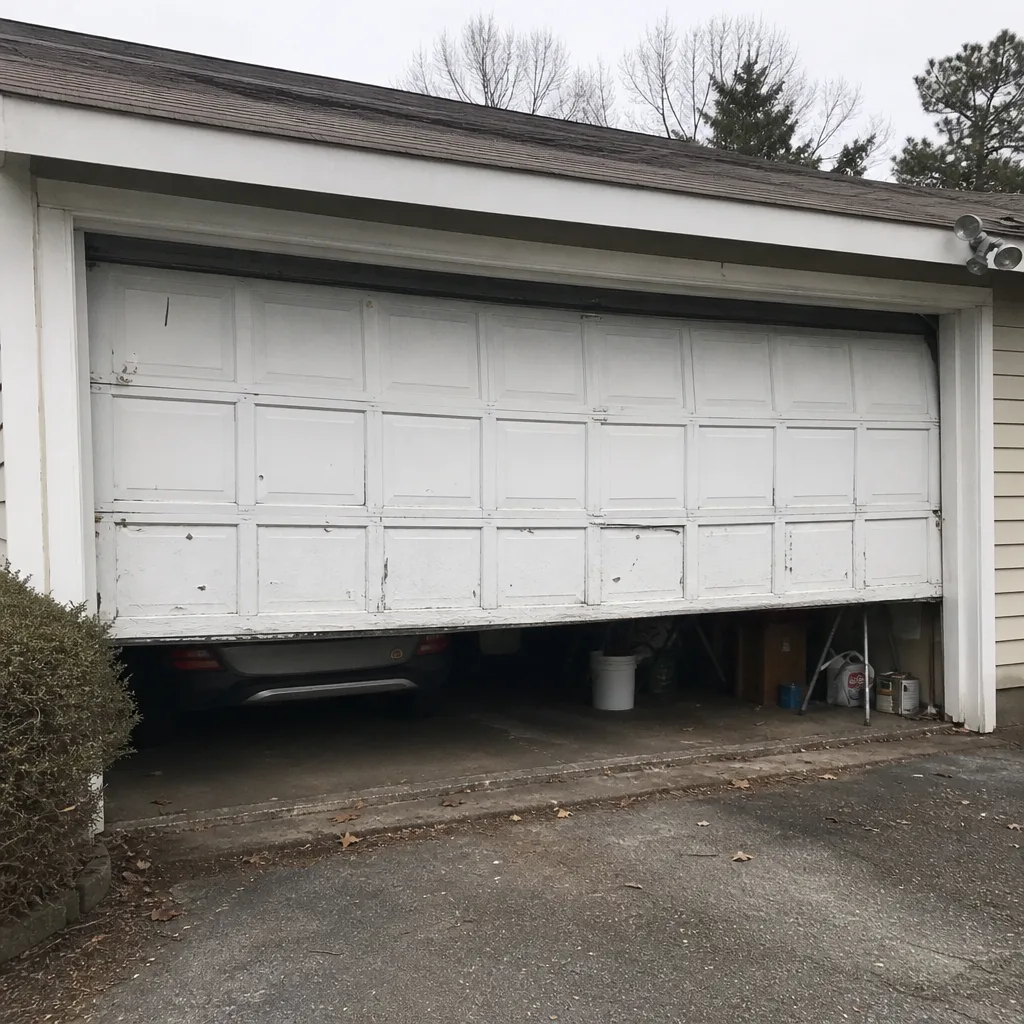 Before
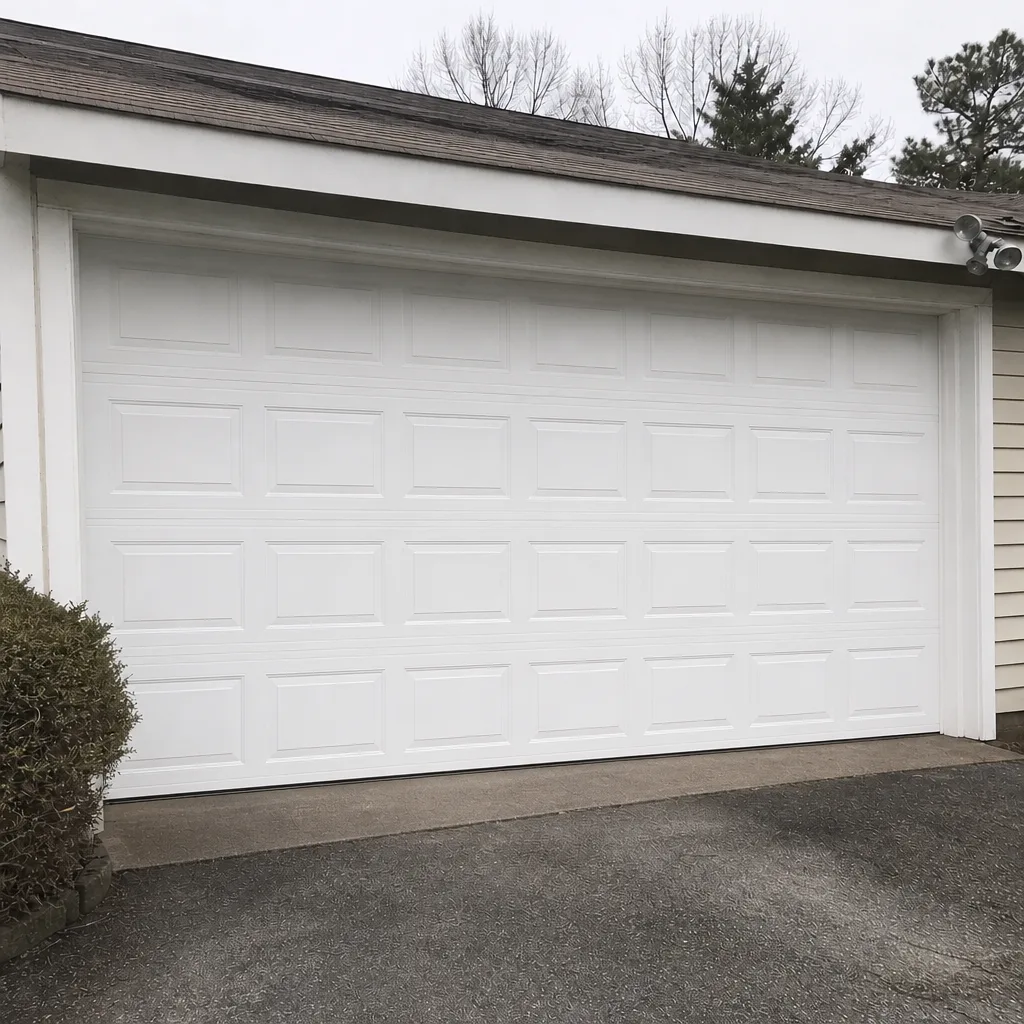 After
When to Call a Professional
Some failures are urgent. A snapped spring, a door off its tracks, or a cable under load should be a call, not an attempt. If the door is stuck open and you can’t secure the house, that’s a call too, since leaving a garage open is not a safe option. Call if you hear a bang from the garage, if the door jams halfway, if the opener strains or won’t respond, or if you see a spring that’s visibly broken. In any of those, leave the door down if it’s safe to do so and call us. Garage Door Repair West Babylon offers free estimates in West Babylon and we cover the whole system: spring repair, opener repairs, and full new door installation. Call (855) 550-7512. We answer 24/7. Fast dispatch from 7am to 7pm, Sunday through Friday. The written estimate sets the final price before any work starts.
Frequently Asked Questions
Most common repairs, like a spring replacement or a hinge and roller swap, typically cost between $150 and $450 depending on the part and the door size. A full new door installation is priced separately, based on measurement and panel choice. Call (855) 550-7512 for an exact quote: estimates are free.
Yes, in most cases. Same-day service is available for urgent situations, and we answer 24/7. Fast dispatch from 7am to 7pm, Sunday through Friday, means a technician can usually reach you the same day. Call (855) 550-7512 and we’ll confirm the next available slot.
No. The written estimate sets the final price before any work starts. If the scope changes while the technician is on-site, you’ll get a revised estimate for your approval before anything proceeds. Call (855) 550-7512 for a free estimate.
The local professionals we connect you with are licensed and insured as their state requires, and they carry the tools needed for spring and cable work. Call (855) 550-7512 to schedule a free estimate.
Most standard torsion springs last for several thousand open-close cycles, and a busy household typically reaches that in a decade or more. West Babylon’s humidity and winter road salt can shorten the life of the surrounding hardware even when the spring itself is healthy, so a spring check every few years is worth it. If your door feels heavy or you hear a snap, stop using it and call (855) 550-7512.
We work on the major brands, including LiftMaster, Chamberlain, Genie, and Craftsman, along with door brands like Clopay, Amarr, Wayne Dalton, and Raynor. If your unit is one of those, we can diagnose and repair it without sending you to a brand-specific vendor. Call (855) 550-7512 for an estimate.
The Bottom Line
A garage door in West Babylon gives you a lot of warning before it fails: rust at the hinges, a stiff bottom seal, a door that wobbles, an opener that strains. Watch those signs each season, especially after the winter thaw when the salt and humidity damage is most visible. When something does break, decide repair versus replace using the condition of the panels, the age of the springs, and the balance of the door, rather than replacing on impulse. Never handle springs or cables yourself; that’s professional territory. And always insist on a written estimate before the work starts. One call covers it: repair, opener, springs, or a full new door. Call (855) 550-7512. We answer 24/7. Fast dispatch from 7am to 7pm, Sunday through Friday. The estimate is free and the written price is final.
Written by the team at Garage Door Repair West Babylon.