
Last updated November 23, 2026
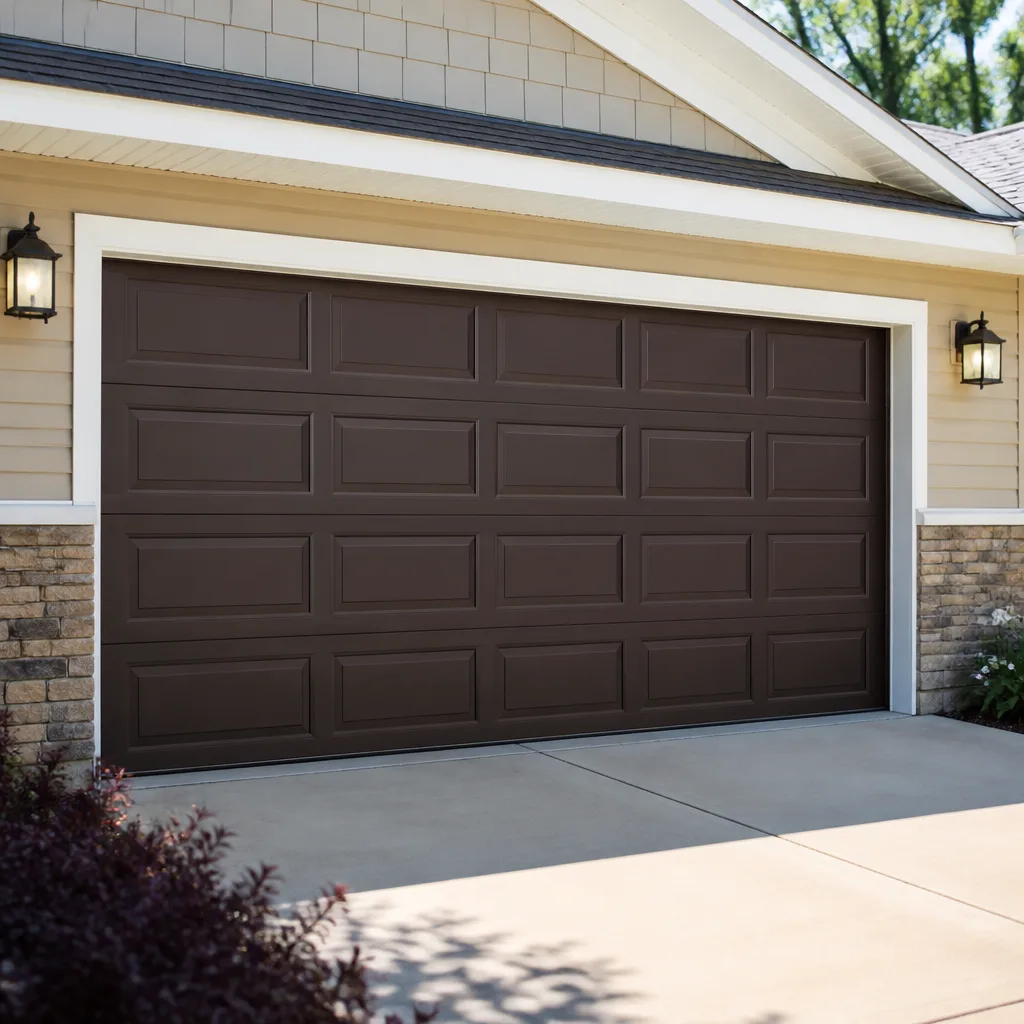 Raised-panel steel
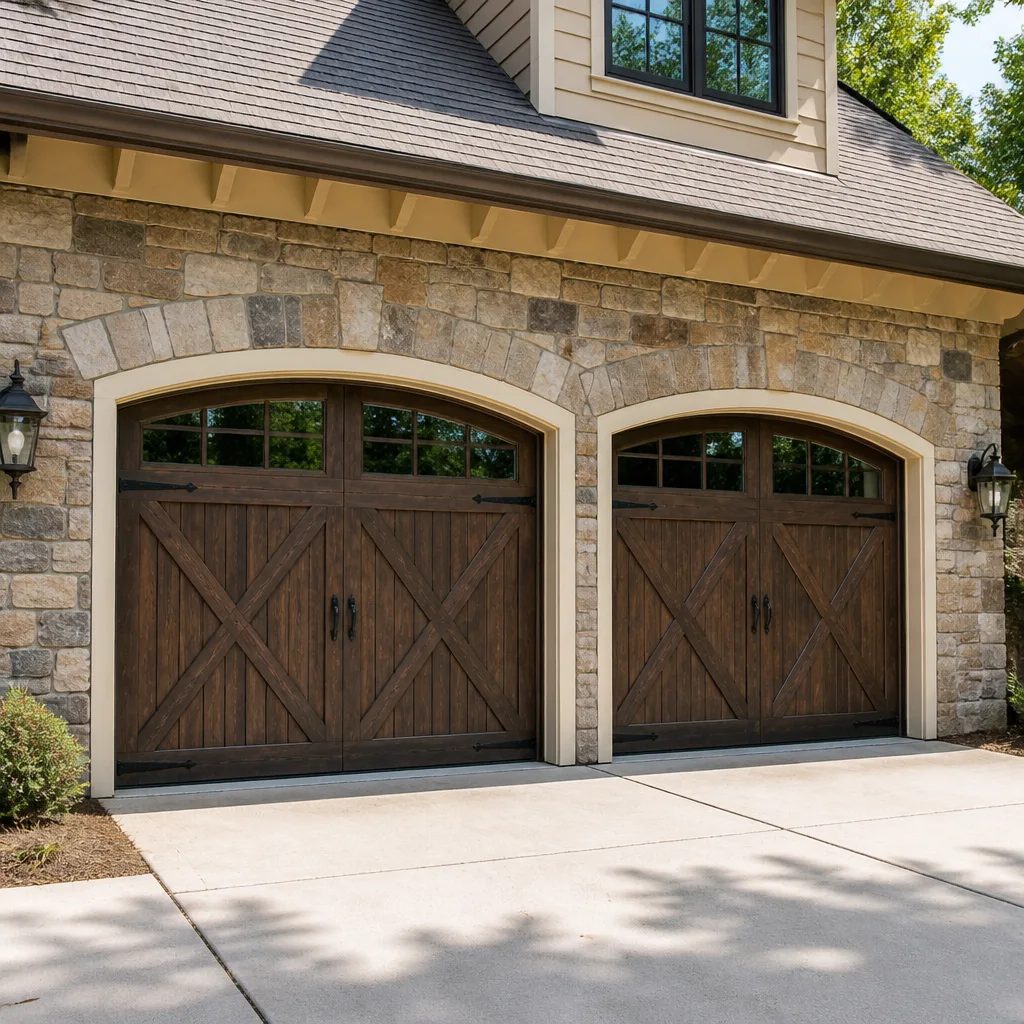 Carriage house
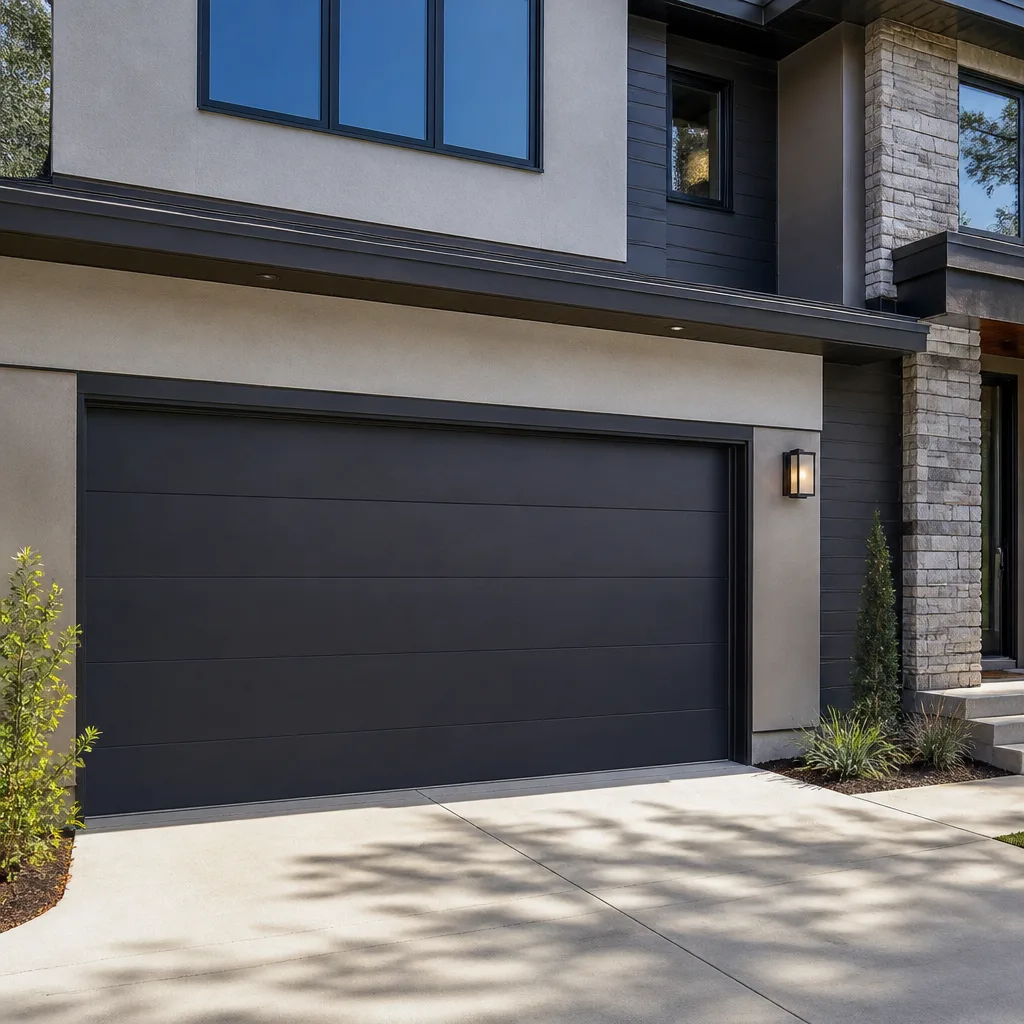 Modern flush
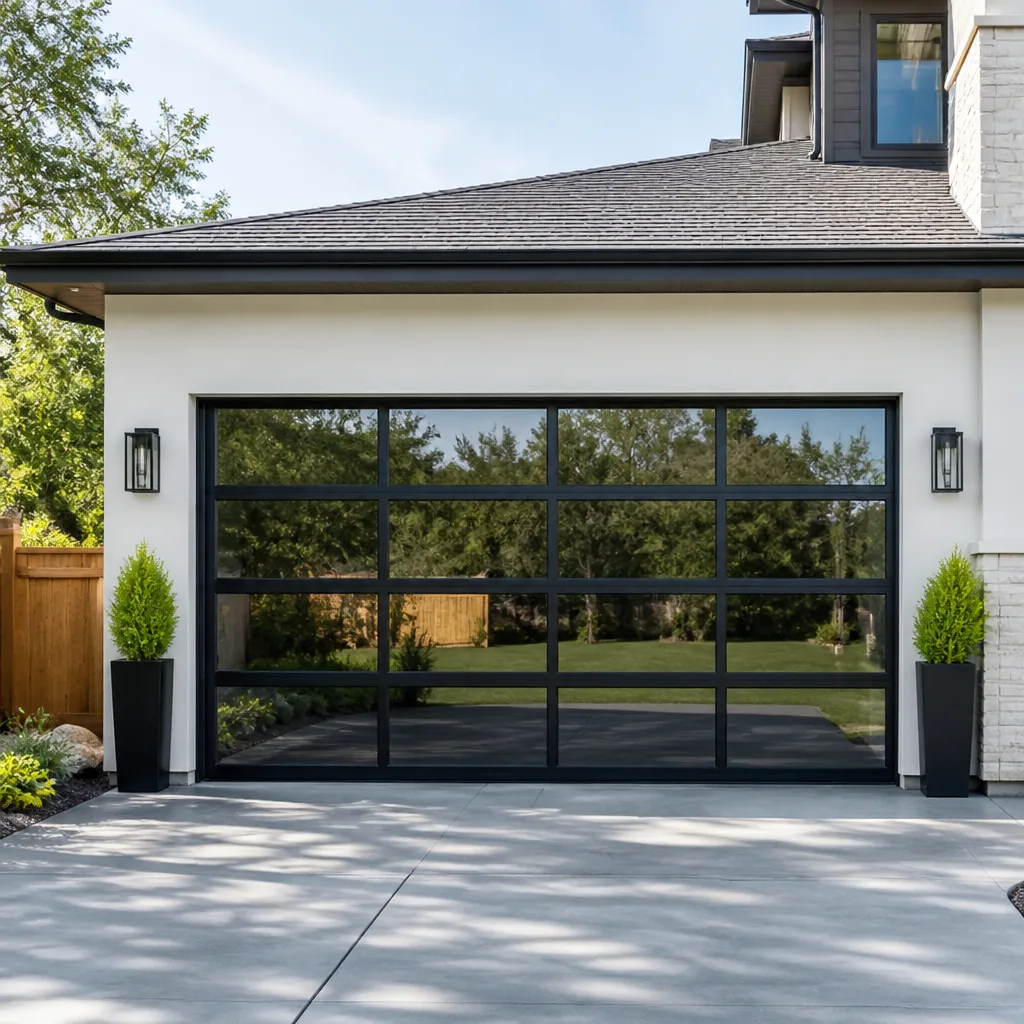 Full-view glass
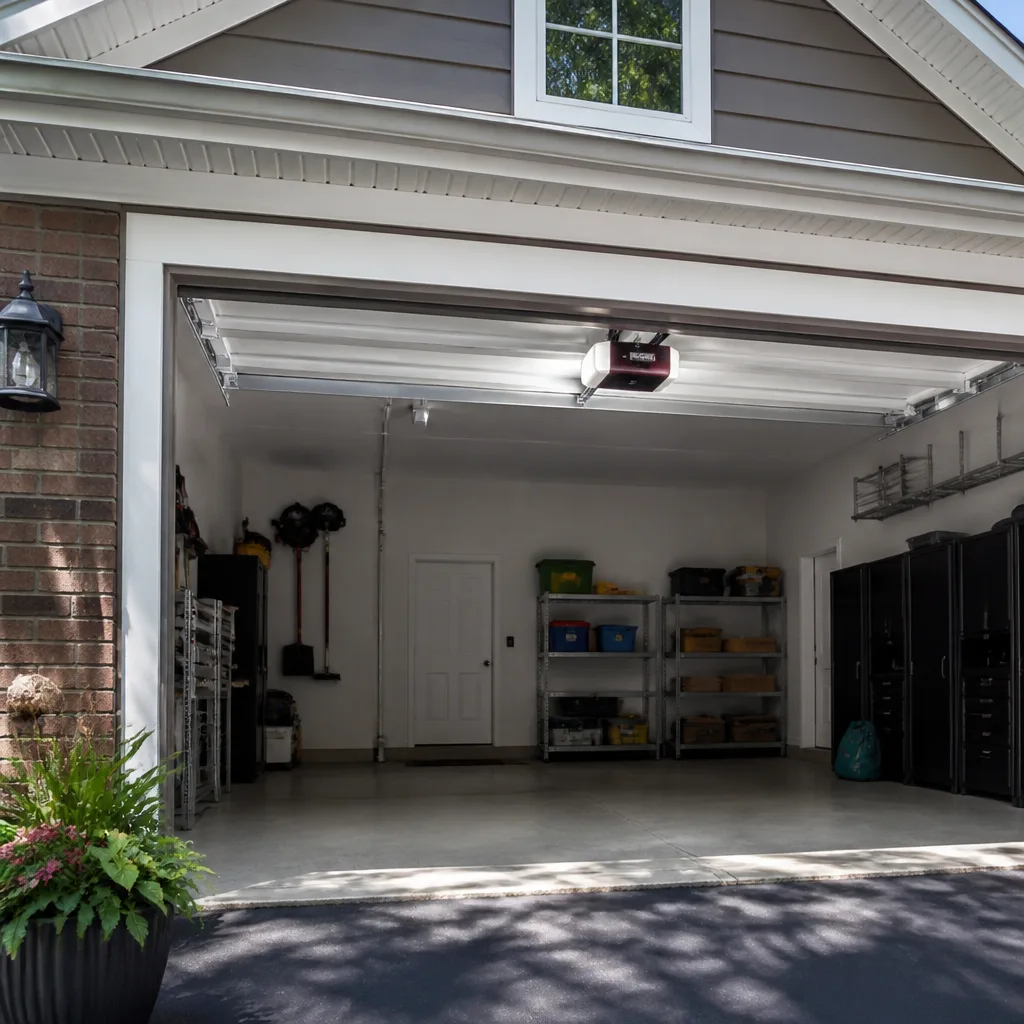 LiftMaster openers
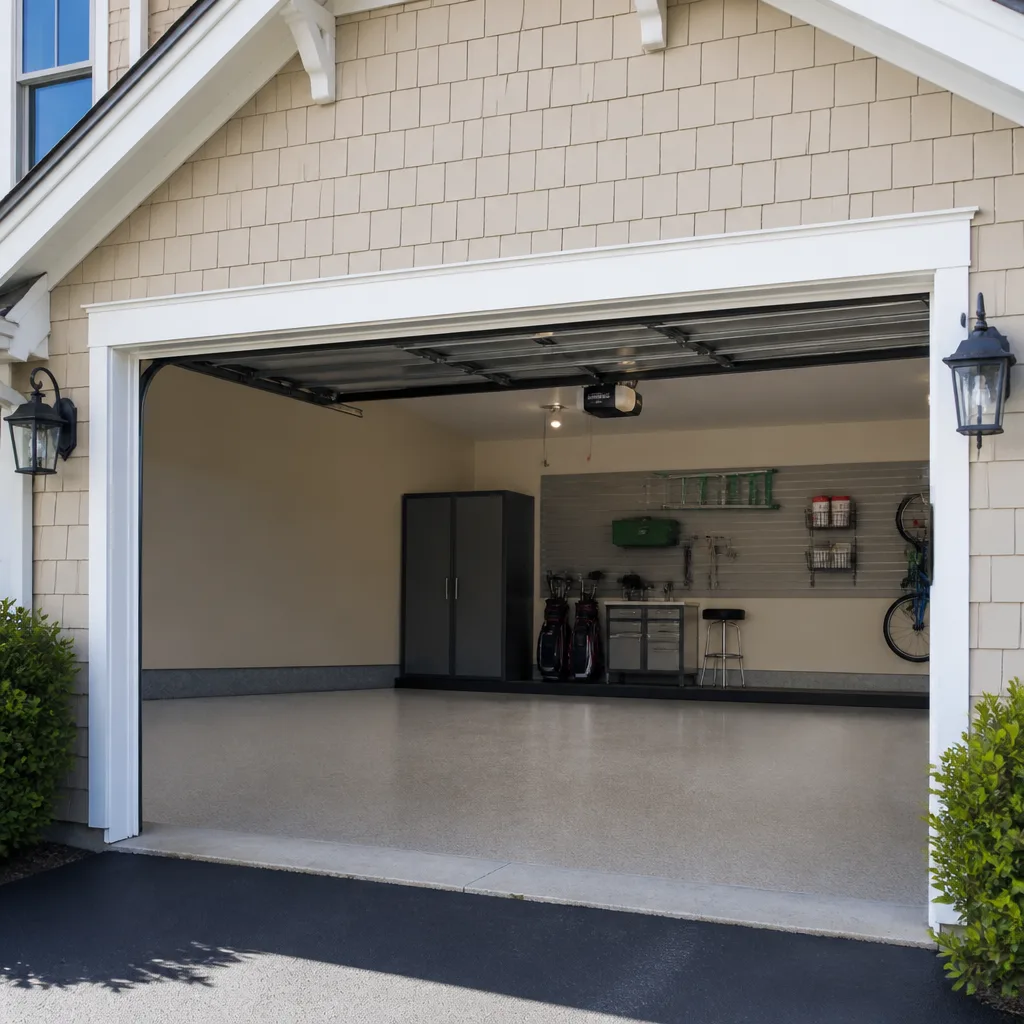 Chamberlain openers
Full 25-point door and opener safety check with every visit - springs, cables, rollers, tracks, and your LiftMaster or Chamberlain opener included
You get a price before we start. It does not change when the pro arrives.
Get your free estimateDIY vs Professional Garage Door: The West Babylon Homeowner’s Decision Guide
Most garage door advice online treats the whole system as either totally off-limits or completely fair game, and both answers are wrong. Here’s the uncomfortable part: torsion spring work is genuinely lethal without the right tools and training, and every year homeowners get seriously hurt attempting it. But everything else on a garage door is a conversation. Weatherstripping, sensor alignment, lubrication, opener programming, even roller replacement on an extension spring door – these are tasks a careful homeowner can absolutely handle. This guide draws that line precisely, so you’re not talked out of jobs you can do or into ones that could hurt you. West Babylon homeowners deserve a straight answer, not a sales pitch.
Quick Answer
In West Babylon, weatherstripping, lubrication, safety sensor alignment, opener programming, and roller replacement on extension-spring doors are safe DIY jobs. Torsion spring work, cable replacement under tension, and structural header repair are professional-only, no exceptions. Anything involving stored spring energy or a door that’s come off its tracks should go to a trained technician.
Styles & brands we work with
- Raised-panel steel
- Carriage house
- Modern flush
- Full-view glass
- LiftMaster openers
- Chamberlain openers
Table of Contents
- Where the DIY Line Actually Falls
- Tasks You Can Safely Do Yourself
- Tasks That Are Professional-Only, Regardless of Skill
- How DIY Repair Affects Door and Opener Warranties
- Total Cost Comparison: Five Common Repairs
- West Babylon Weather, Long Island Housing, and Your Door
- The Three-Question Decision Checklist
- Common Mistakes to Avoid
Where the DIY Line Actually Falls
The garage door industry has a credibility problem on both sides. Manufacturers print warnings that suggest you shouldn’t touch a hinge. Meanwhile, video tutorials walk homeowners through spring swaps like it’s a Saturday afternoon project. Neither framing serves you. The useful question isn’t “can I do this myself” – it’s “what does this specific job actually involve, and what happens if it goes wrong?”
Here’s how we think about it. Garage door tasks sort into three tiers based on the energy stored in the system while you work on it.
- Tier one – no stored energy: Lubrication, cleaning, weatherstripping, sensor alignment, remote and opener programming. The door is at rest, gravity is the only force at play, and a mistake costs you time, not fingers.
- Tier two – controlled tension: Roller replacement on an extension-spring door (springs run along the horizontal tracks), bottom bracket work with the door fully raised and springs relaxed, track adjustment on a door that’s still hung correctly. These require correct tools and a healthy respect for the door’s weight, but the danger is manageable.
- Tier three – stored spring energy: Torsion springs, extension springs under load, cables, and anything attached to the counterbalance system. This is where injuries happen.
A torsion spring mounted above the door holds enough stored force to move a car. That’s not an exaggeration or a scare tactic – it’s the physics of how counterbalance works. When a torsion spring is wound to lift a 150-pound door, releasing that energy incorrectly sends tools and hardware across the garage at speed. The right winding bars and the training to use them are not optional, and no tutorial substitutes for the feel of doing it correctly. If you take nothing else from this guide: stay out of tier three.
Tasks You Can Safely Do Yourself
We’d rather you handle the easy jobs and save your money for the ones that matter. These are the tasks where a homeowner with basic tools and a little patience gets a solid result.
- Weatherstripping replacement. The rubber or vinyl seal along the bottom of the door and the sides wears out every few years. Pull the old seal, slide the new one into the retainer, and you’ve fixed drafts and water intrusion for the cost of the material.
- Safety sensor alignment. The two photo-eye sensors near the floor should be pointed at each other with their indicator lights steady. A bumped sensor is one of the most common reasons a door won’t close, and re-aiming it takes a screwdriver and a minute.
- Lubrication. Hinges, rollers, and the torsion bar bearings want a garage-door lubricant once or twice a year. It quiets the door and slows wear. Do not use WD-40 as a lubricant – it’s a solvent, not a grease, and it attracts grit.
- Opener and remote programming. Replacing a dead remote, clearing old codes, adjusting travel limits, and connecting a Wi-Fi opener to your home network all live in the owner’s manual. LiftMaster, Chamberlain, Genie, and Craftsman each publish clear setup guides, and the process is straightforward.
- Roller replacement on extension-spring doors. With the door fully open and the springs relaxed, rollers slide out of their hinges and new nylon rollers slide in. This one is worth doing on a schedule – worn rollers are a frequent cause of noisy, jumpy operation.
Two ground rules before you start. Never work on a door with the springs under tension. And if a task feels like it’s escalating – the door is binding, a cable looks slack, a bracket is bent – stop and reassess. The moment you’re improvising solutions is the moment to step back.
Tasks That Are Professional-Only, Regardless of Skill
These jobs don’t get easier with confidence. They’re dangerous by their nature, and the correct move is always a trained technician. Our garage door spring repair work exists precisely because this line is firm.
- Torsion spring replacement. Winding a new spring requires proper winding bars, knowledge of the correct number of quarter-turns for the door’s weight, and a disciplined approach to keeping hands clear. One slip and the bar becomes a projectile. This is the single most dangerous job on a residential garage door.
- Cable replacement. The cables run under enormous tension and hold the door’s weight on both sides. A cable that snaps during amateur work can whip with severe force. Cable replacement is done only with the springs de-tensioned first, and getting that wrong is how people lose fingers.
- Structural header repair. If the wood beam above the door is sagging, cracked, or pulling away from the frame, you have a home-structure problem, not a door problem. That needs a qualified contractor, and it needs fixing before any new door goes up.
- Anything off its tracks. A door that’s jumped its track or is hanging crooked has multiple points of stored force. Do not try to muscle it back into place. Call for garage door repair and let a tech take it down safely.
- Spring replacements on doors with no extension springs. Extension springs run along the tracks and are safer to work near when relaxed, but their cables and safety containment still demand professional handling. When in doubt, treat the whole counterbalance system as off-limits.
We work on Amarr, Wayne Dalton, and Raynor doors regularly, and each one has its own spring mounting quirks. Knowing those quirks is part of why this work belongs to people who do it every day.
How DIY Repair Affects Door and Opener Warranties
This is the part most guides skip, and it’s worth understanding before you pick up a wrench. Garage door manufacturers usually split their coverage into two camps: what they’ll replace if a part fails on its own, and what they consider outside influence. Miss that distinction and you can void coverage on a component you just bought.
The general pattern across the major brands:
- Parts warranties on springs, panels, and hardware typically cover manufacturing defects. If you replace a spring incorrectly, crack a panel during installation, or strip hardware, the manufacturer treats that as user error and the claim goes nowhere.
- Opener warranties usually cover the motor and electronics but exclude damage from improper installation, wrong voltage, or water intrusion. Connecting a smart-home module incorrectly and frying a circuit board is a warranty-ending event on most openers.
- Labor and finish coverage varies. Some brands require professional installation to activate the full term. Read your door’s paperwork – Clopay and LiftMaster both document this in their owner manual.
The practical upshot: cosmetic and maintenance work usually doesn’t touch warranty coverage. Anything that involves replacing a manufacturer part or altering how a system operates does. If you’re not sure, ask before you start – a five-minute conversation is cheaper than a denied claim. A reputable technician will also confirm which parts are covered and which you’re buying out of pocket.
Total Cost Comparison: Five Common Repairs
Let’s talk money, because this is the number that usually drives the DIY decision. Typical cost ranges in the West Babylon area for the five most common repairs, weighed against DIY parts and realistic time.
- Bottom weather seal replacement. DIY: roughly $25-$60 in material, an hour or two of your time. Professional: typically $120-$250 installed depending on door width. This one is a genuine toss-up – do it yourself if you’re comfortable on a ladder.
- Safety sensor or opener programming fix. DIY: free, roughly 20 minutes with the manual. Professional: usually rolled into a service call. If the sensor is just out of alignment, you can handle it. If the opener’s logic board is failing, that’s a repair, not an adjustment.
- Roller replacement (standard door, typically 10 rollers). DIY: about $30-$70 in nylon rollers, an hour if things go smoothly. Professional: typically $150-$300 including the rollers. Reasonable DIY candidate on an extension-spring door. Not on a torsion system where the springs stay wound.
- Opener replacement. DIY: $150-$400 for a new unit, plus a half day and a helper – openers are heavy and mounting them overhead requires safe handling. Professional: typically $350-$700 installed including hauling the old unit away. The DIY savings here usually don’t justify the risk of a dropped unit or a miswired circuit.
- Torsion spring replacement (one spring). DIY: the parts run $40-$90, but the injury risk is not a financial number. Professional: typically $180-$340 for a single spring, and a matched pair is replaced together at roughly double that. The labor is what you’re paying for, and it’s the price of doing this safely.
First-time DIYers should expect the failure rate on the medium jobs – rollers, weather seals – to run noticeably higher than a pro’s, not because the work is hard but because the tools and the feel are unfamiliar. Budget for a second attempt or a follow-up service call when you’re doing something for the first time. The written estimate you get from a professional is fixed before any work starts, so you’re not guessing at the total.
West Babylon Weather, Long Island Housing, and Your Door
Long Island’s climate does specific things to garage doors, and living in West Babylon puts you right in the middle of it. The cycle that matters most is freeze-thaw. Winter temperatures drop below freezing at night and climb back above it during the day, and that expansion and contraction works the springs, the track joints, and the weather seal every single season. Spring steel fatigues with that cycle, which is why spring failure often shows up in the first hard cold snap of the year rather than at a random time.
The housing stock adds its own wrinkles. A lot of West Babylon homes date from the mid-20th century, when garages were often built for smaller cars, and many have had their doors replaced at least once. That history means two things. First, older doors sometimes have extension-spring hardware that’s been patched over the years – worth inspecting before you assume a standard replacement part will fit. Second, those older garages often have low headroom, which affects which spring system a new door can use.
Rain and humidity also shorten the life of weather seals and can accelerate rust on steel bottom brackets and hinges. The south shore’s summer humidity pushes wood frames to swell and contract, which loosens lag bolts over time. That’s why a yearly once-over matters more here than in a dry climate – checking the seal, the brackets, and the door balance catches small failures before they become spring or panel problems. If you’re not sure what to look for, a service call for garage door opener repair or a general inspection is a low-cost way to find out.
The Three-Question Decision Checklist
Before you pick up a wrench, run these three questions in order. If any answer points to the pro, stop and call. This is the fastest way to sort a job without second-guessing yourself.
- Does the job involve stored spring energy? Torsion springs, extension springs under tension, cables, or anything attached to the counterbalance assembly – professional only. No exceptions, no “just this once.” If the answer is yes, you’re done deciding.
- Can you see the whole mechanism without measuring or guessing? If the task requires you to feel your way through a repair, understand tension by ear, or adjust something you can’t see clearly, it’s a pro job. Weather seals and sensor alignment are visible. A binding track or a mysterious noise is not.
- What happens if you get it wrong? If a mistake costs you a roller or a seal, go ahead. If a mistake costs you a panel, an opener circuit board, a finger, or an entire door, hand it to a technician. The severity of the consequence should decide, not the difficulty of the task.
The checklist works because it doesn’t ask how skilled you are – it asks what the job demands. A confident homeowner and a cautious one arrive at the same answer.
Common Mistakes to Avoid
- Treating all springs the same. Extension springs run along the tracks and are a different animal from torsion springs above the door. The safety rules don’t transfer, and a tutorial that covers one does not cover the other.
- Using WD-40 on hinges and rollers. It’s a solvent, not a lubricant, and it leaves a residue that collects grit. Use a garage-door spec lubricant, applied once or twice a year.
- Disconnecting the opener to test balance and forgetting to reconnect it. The manual release is meant for emergencies, and running the door manually for days trains the springs to slacken. Reconnect and check the door’s lift feel before closing up.
- Ignoring sensor misalignment because the door “mostly” works. A door that randomly reverses isn’t quirky – it’s a safety system telling you something is off. Fix the alignment before the reversal happens mid-cycle with a person underneath.
- Painting or sealing a wood frame without checking for swelling. Long Island humidity does a number on wood frames. Sealing over swelling traps moisture and accelerates rot in a place that’s hard to fix later.
- Replacing a broken spring with a mismatched weight rating. Springs are paired to the door’s weight and size. An over- or under-rated spring strains the opener and the door frame. This is a reason to let a technician spec the replacement.
- Skipping the annual balance check. Disconnect the opener, lift the door to halfway, and see if it stays put. If it drifts up or down, the spring tension is off – time to call.
See the difference
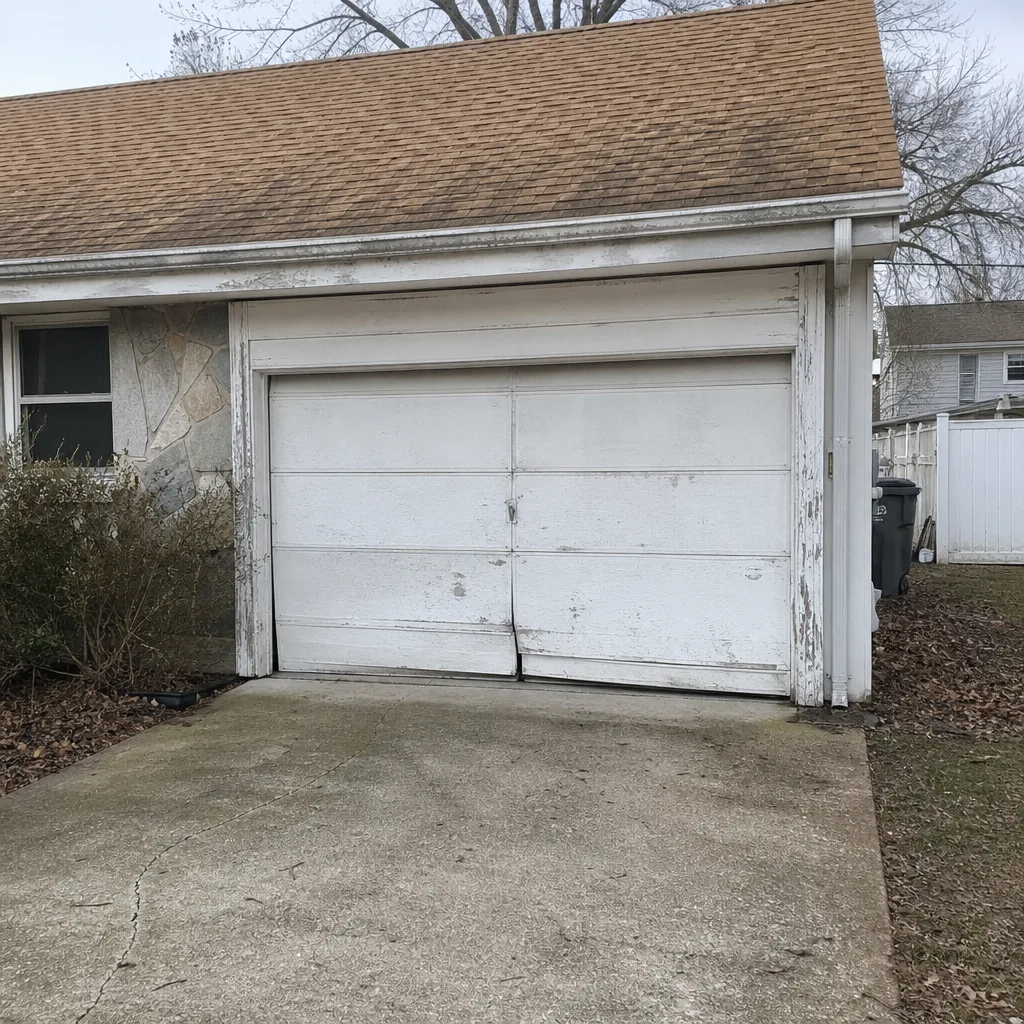 Before
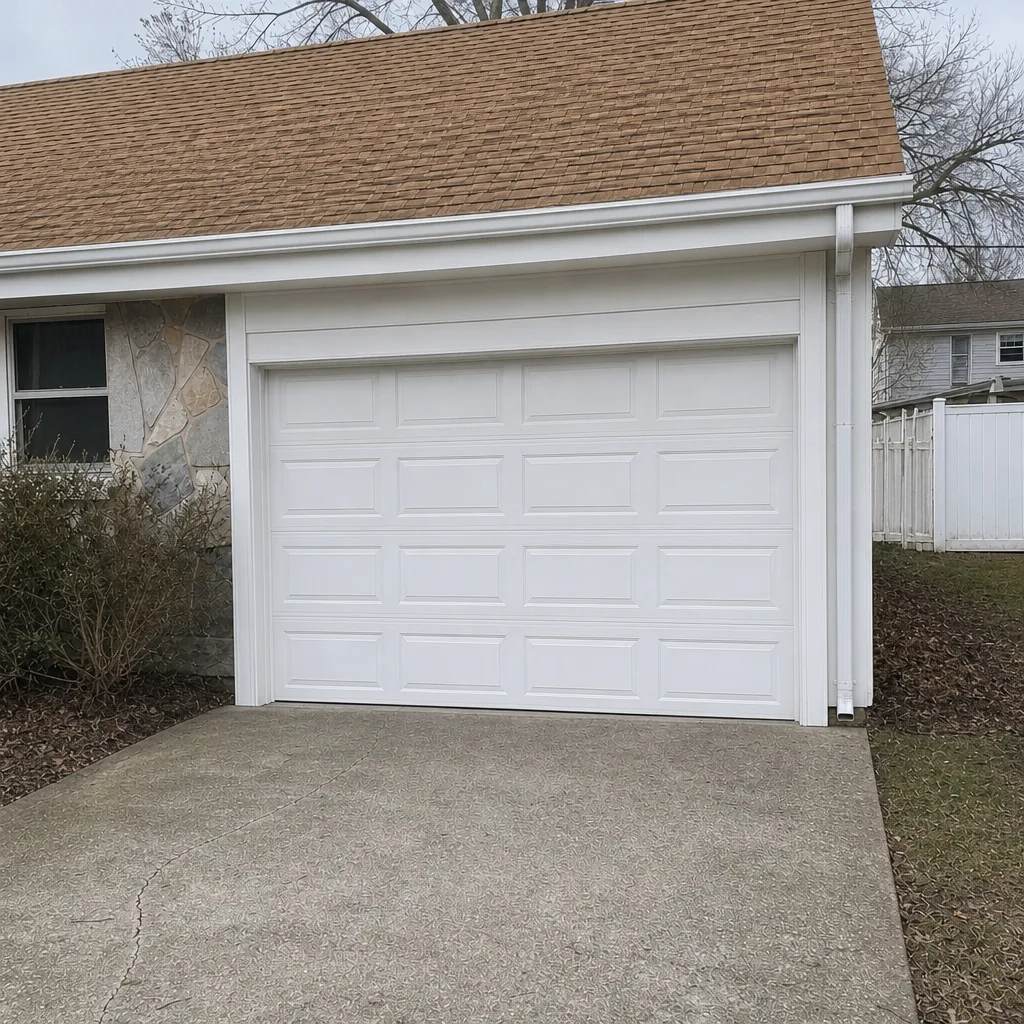 After
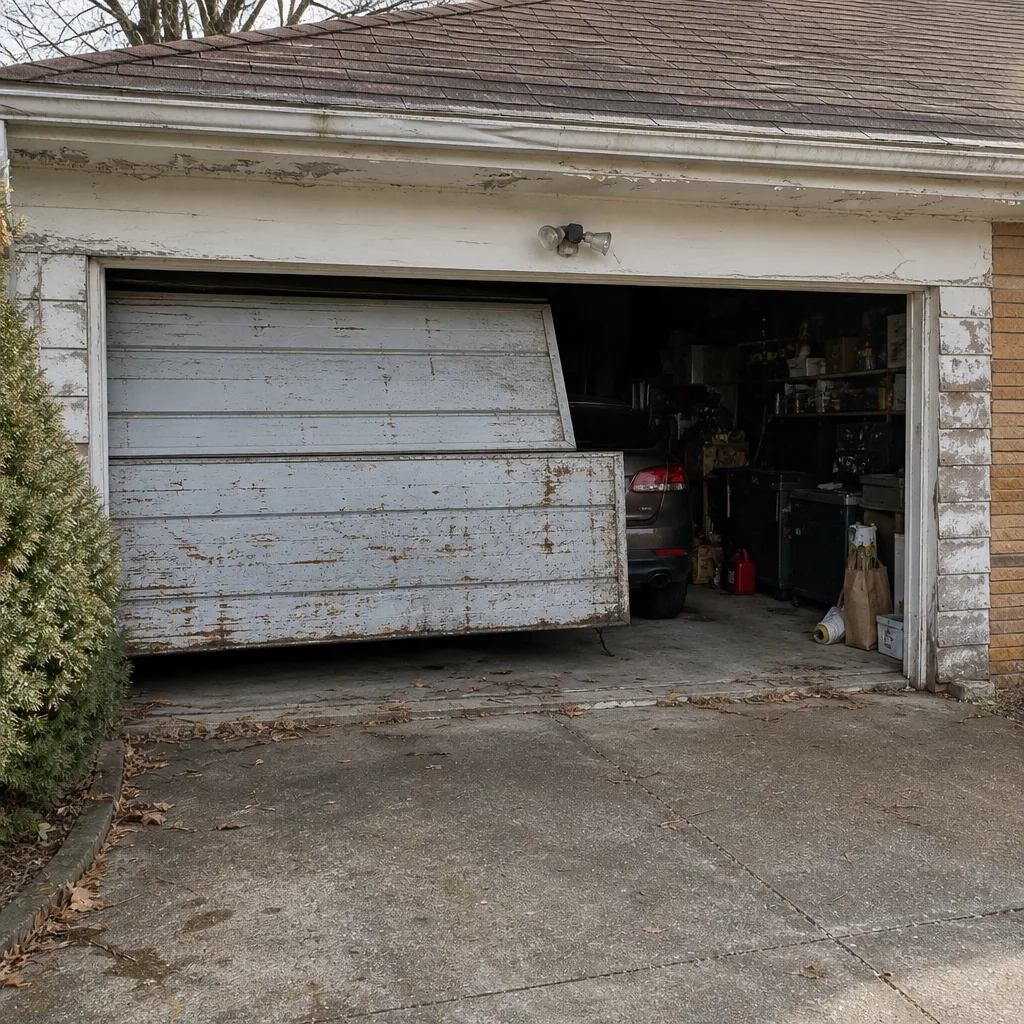 Before
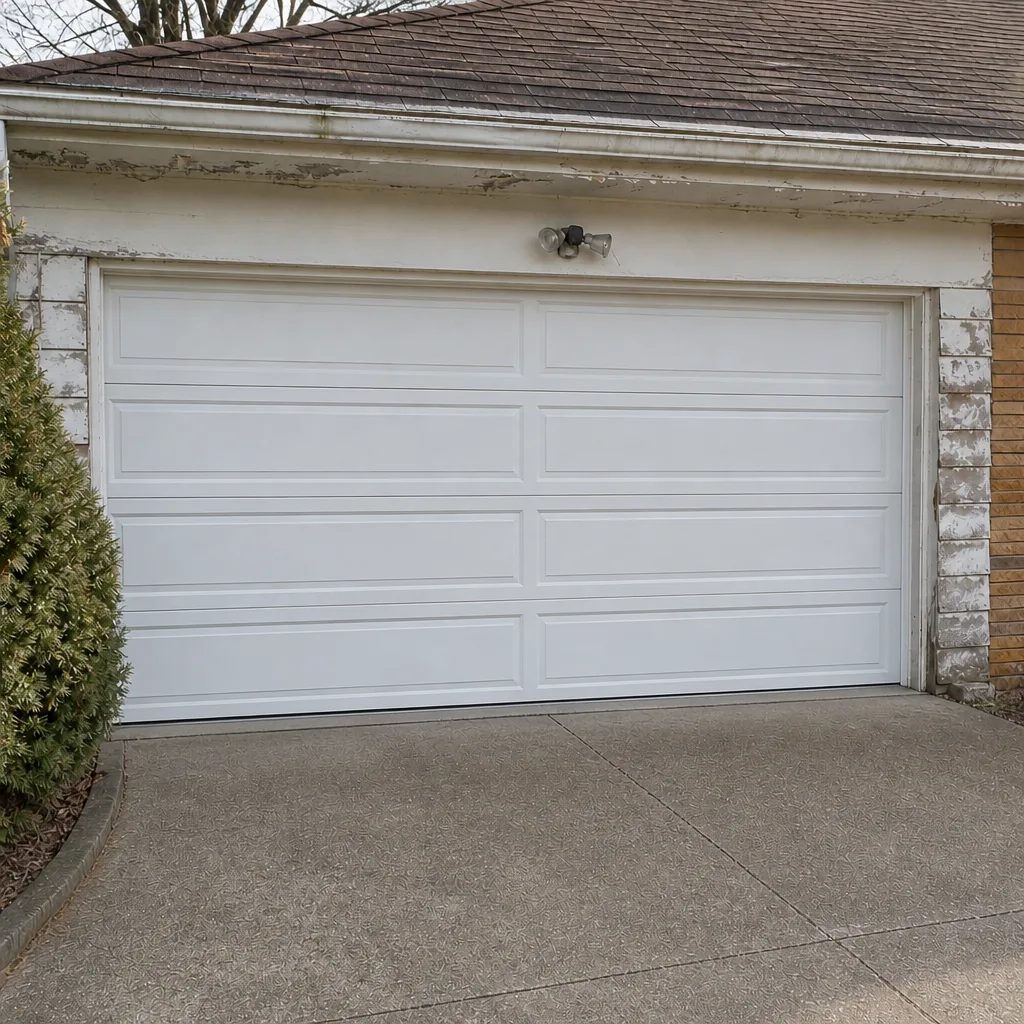 After
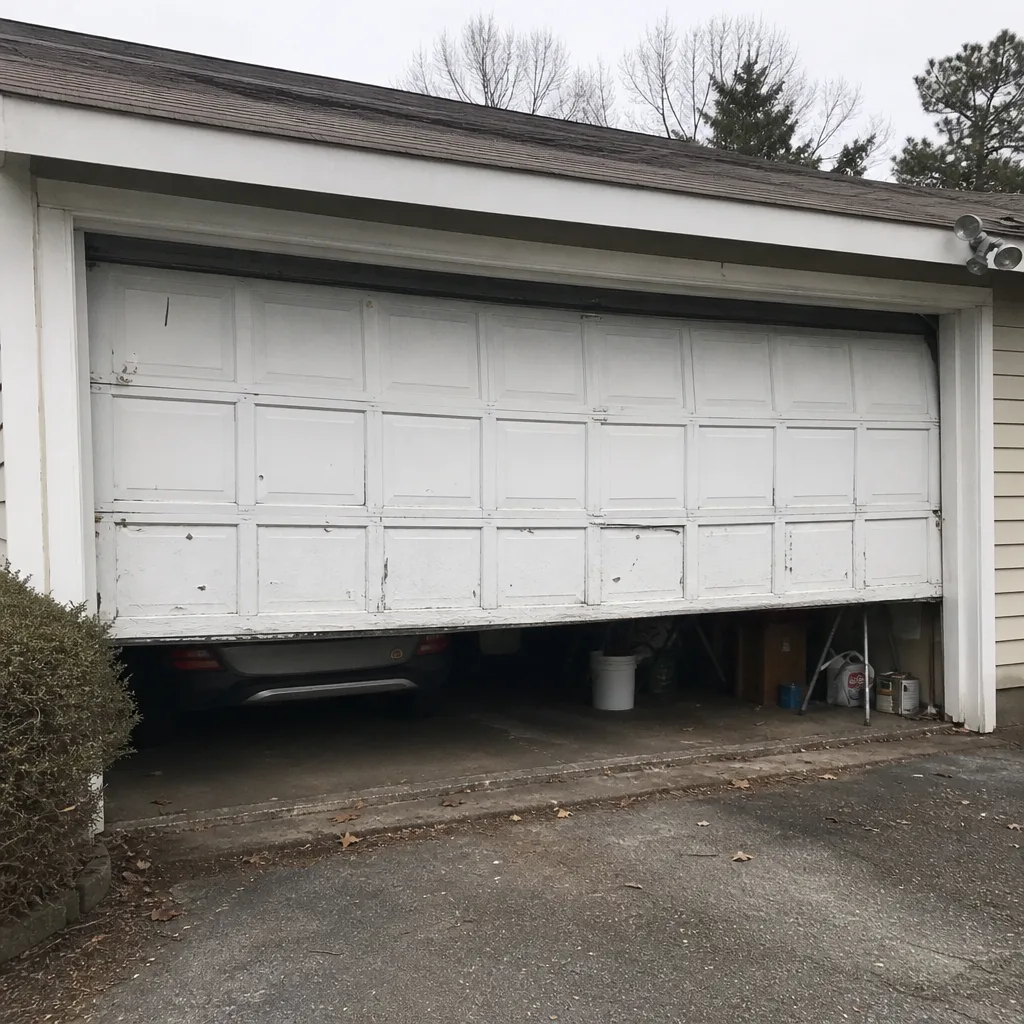 Before
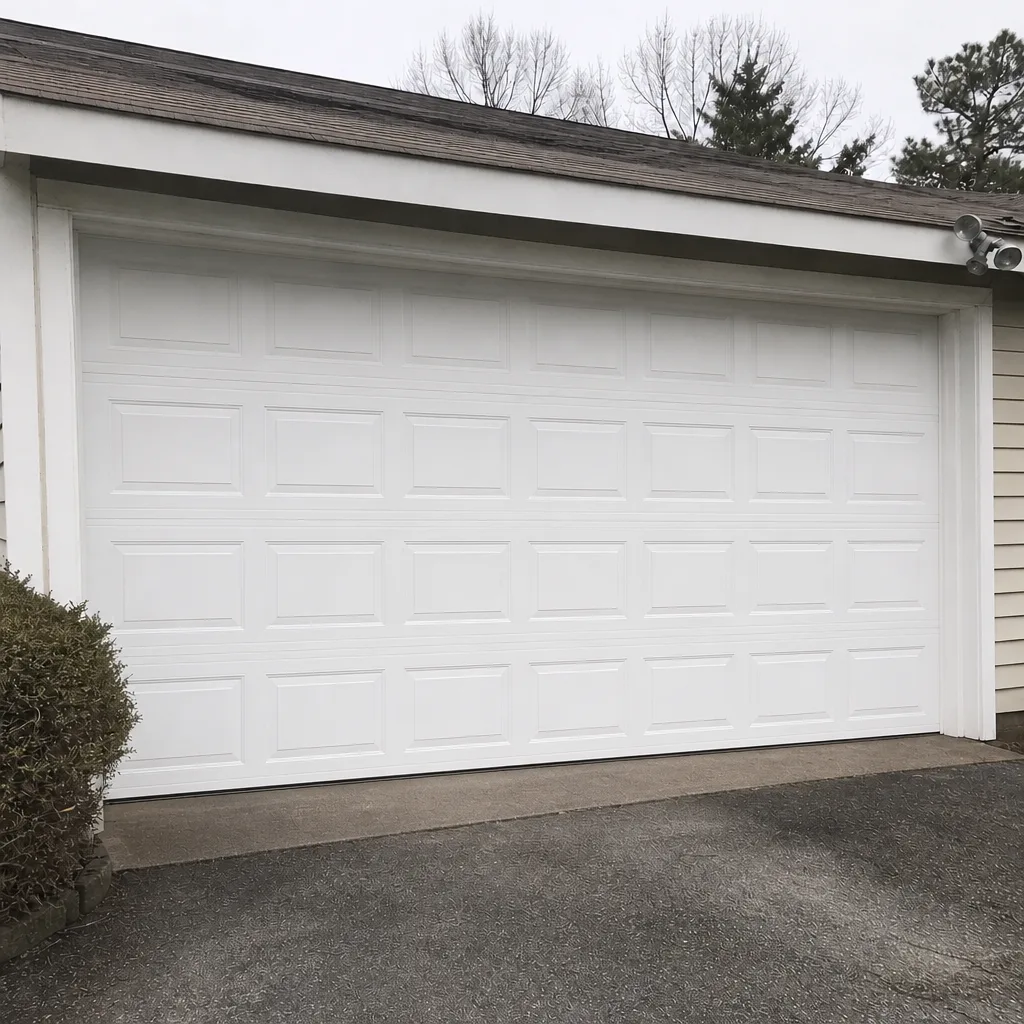 After
When to Call a Professional
Call when you see a snapped spring, a loose or frayed cable, a door that’s off its track, or a door that reversed on its own and won’t stay closed. Call if the door feels like it weighs twice what it used to, or if you hear a sharp crack from the overhead rail. Call if the opener runs but the door doesn’t move, or if the lights on the opener motor are blinking out a fault code you can’t identify. Spring work and cable work are always professional territory.
Garage Door Repair West Babylon offers free estimates in West Babylon – call (855) 550-7512. We answer 24/7, with fast dispatch from 7am to 7pm, Sunday through Friday. Our technicians have up to 13 years of experience, and the price is quoted and agreed before any work starts.
Frequently Asked Questions
No. Torsion spring replacement is the most dangerous job on a residential garage door, and the stored energy in a wound spring can cause serious injury even to careful people. Cables carry similar risk. Leave spring and cable work to a trained technician. Call (855) 550-7512 for an exact quote – estimates are free.
Typically $180-$340 for a single spring in this area, and a matched pair is replaced together for roughly double, since springs wear at the same rate. The written estimate sets the final price before any work starts. Call (855) 550-7512 for an exact quote.
It can, if the repair involves replacing manufacturer parts or altering the system beyond routine maintenance. Lubrication, weather seals, and sensor adjustment usually don’t affect coverage. Spring, panel, or opener modifications typically do. Check your owner’s manual, and when in doubt, ask first.
Weatherstripping, lubrication, safety sensor alignment, opener and remote programming, and roller replacement on extension-spring doors are all reasonable DIY tasks. The Long Island climate wears out seals and brackets faster, so stay on top of those. Anything involving springs or cables is professional-only.
Yes, same-day service is available for urgent garage door problems, including a door stuck shut or off its tracks. Call (855) 550-7512 – we answer 24/7, and fast dispatch runs from 7am to 7pm, Sunday through Friday.
We service LiftMaster, Chamberlain, Genie, Clopay, Amarr, Wayne Dalton, Craftsman, and Raynor products. That covers the most widely installed residential brands, so whatever system you have, we’ve seen it. Call (855) 550-7512 to confirm and book a free estimate.
The Bottom Line
DIY garage door work isn’t one topic – it’s a spectrum, and the line runs exactly where stored spring energy begins. Maintenance tasks like weatherstripping, lubrication, and sensor alignment are yours to keep. Structural repairs and anything involving springs or cables belong to a technician, not because you’re incapable but because the physics doesn’t care how careful you are. In West Babylon, the freeze-thaw cycle and older garage stock make regular checks more important than the average homeowner realizes. When a job crosses the line, don’t gamble. Garage Door Repair West Babylon covers repair, opener service, springs, and full new-door installation in one call. Reach us at (855) 550-7512 for a free estimate.
Written by the team at Garage Door Repair West Babylon.